🌿 Nasturtium
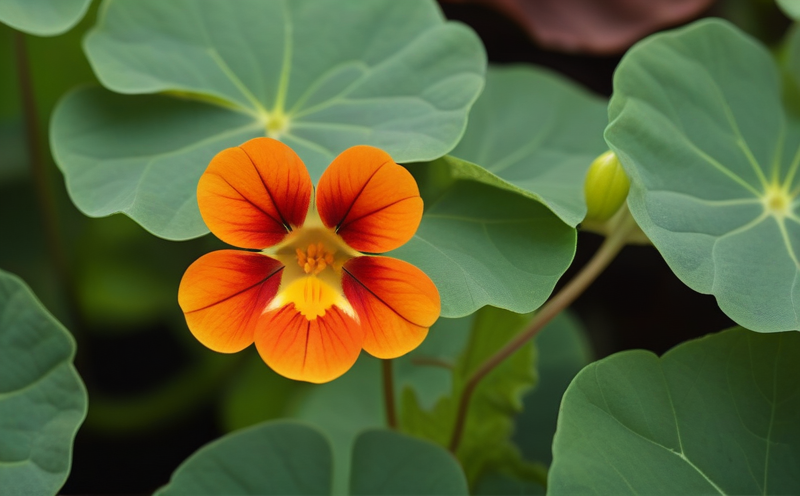
🍴 Edible Parts
🤝 Companions (44)
⚠️ Keep Apart (1)
💊 Medicinal Uses
Conditions Treated
Preparation Methods
- Nasturtium tea: 1-2 tsp fresh leaves/flowers steeped 10 min; for respiratory infections and UTIs (spicy, warming)
- Tincture: 1:5 in 40% alcohol; 2-4ml 3x daily for respiratory/urinary infections
- Nasturtium vinegar: Leaves and flowers infused in apple cider vinegar; 1 tbsp in water as antimicrobial tonic
- Infused oil: Flowers infused in carrier oil for scalp massage (hair loss) and skin infections
- Culinary medicine: Fresh leaves and flowers in salads , 'nature's antibiotic' eaten regularly
- Poultice: Crushed leaves applied to minor wounds and skin infections
- Hair rinse: Strong infusion used as final hair rinse to stimulate scalp circulation
Active Compounds
⚠️ Safety
Generally safe. Contains oxalic acid , those with kidney stones or oxalate sensitivity should avoid large quantities. Spicy/pungent , may irritate sensitive stomachs in large amounts. Avoid medicinal doses during pregnancy (mustard oil compounds). Do not use pure essential oil internally.
📜 History & Folklore
🏛️ Ancient
Used by the Incas and other Andean peoples as a medicinal herb and food. Spanish conquistadors brought nasturtium to Europe in the 1500s.
🏰 Medieval
Introduced to Europe from Peru in the 16th century. Quickly adopted in monastery and cottage gardens. Used for 'scurvy and infections of the mouth and throat.' The name 'nasturtium' means 'nose-twister' for its pungent quality.
🌿 Folk Medicine
European herbalists adopted nasturtium as 'Indian cress' , used like watercress for respiratory and urinary infections. Used as a 'blood purifier' in spring tonics. Pickled seed pods were a caper substitute and winter vitamin C source.
🛒 Buy Seeds & Plants
Plot Buddies is reader-supported. When you buy through links on our site, we may earn an affiliate commission at no extra cost to you. This does not affect our plant recommendations. We only link to retailers we trust.