🥕 Rutabaga (Swede)

Brassica napus var. napobrassica
vegetables root vegetable (brassicaceae)
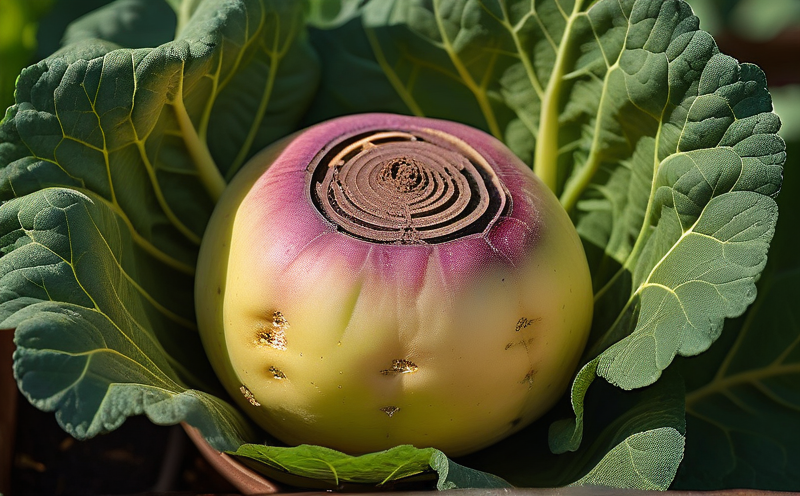
Illustration of Rutabaga (Swede)
☀️ Sun
Full sun (6–8 hours); tolerates light partial shade — beneficial in Zones 7+
💧 Water
Medium; 1 inch per week consistently; even moisture critical for tender, non-woody roots and sweet flavor; drought stress causes woody/pithy roots
🗺️ Zones
2, 3, 4, 5, 6, 7, 8, 9
🪴 Soil Type
Deep, loose, well-drained loam with moderate organic matter; rutabagas need deep, uncompacted soil for proper root development; avoid fresh manure (causes forking); boron supplementation often needed (boron deficiency causes brown heart/hollow heart)
🧪 Soil pH
6.0–7.0 (slightly acidic to neutral)
💧 Drainage
Well-drained essential; raised beds recommended for heavy soils
📏 Spacing
6–8 inches apart; rows 18–24 inches; thin to final spacing when seedlings are 2–3 inches tall — rutabagas need room for large roots (4–6 inches diameter)
📅 Days to Maturity
90-110 days (from seed); harvest after light frost for sweeter flavor

🍴 Edible Parts

🍽️ ["Root (swollen stem base \u2014 actually a stem tuber🍽️ not a true root; roasted🍽️ mashed🍽️ boiled🍽️ soups/stews)"🍽️ "Leaves/greens (edible cooked \u2014 similar to kale or collards; harvest sparingly so root development isn't compromised)"🍽️ "Young leaves (tender enough for salad when very young)"]

🤝 Companions (7)

🤝 Onion/Garlic/Allium
Repels aphids, flea beetles, and cabbage worms from rutabagas; complementary root depths — alliums are shallow, rutabagas have deep roots
🤝 Pea
Peas fix nitrogen to support rutabaga's long-season growth (90–120 days); peas are harvested mid-season before rutabagas mature
🤝 Rosemary/Sage/Thyme
Aromatic herbs repel flea beetles and cabbage moths; strong scent masks brassica host-finding cues
Attracts predatory wasps and hoverflies that parasitize cabbage pests; improves brassica growth
Trap crop for aphids; cabbage worms prefer nasturtiums; ground cover suppresses weeds
🤝 Lettuce/Spinach (early interplant)
Spring greens are harvested before rutabagas need full space; effective use of space in long-season crop
Quick crop marking rows; radishes harvested before rutabagas mature; early pest monitoring

⚠️ Keep Apart (5)

Brassica root exudates may stunt tomato growth; separate by at least 3 feet
Beans may be stunted by brassica allelopathy; conflicting nitrogen demands
Mutual growth inhibition between brassicas and strawberries
Both root crops competing for potassium; potato harvest disturbs long-season rutabaga roots
Allelopathic — inhibits rutabaga root development

💊 Medicinal Uses

["Excellent source of vitamin C \u2014 1 cup provides over 50% daily value; historically crucial for preventing scurvy in Northern European winters", "Contains glucosinolates \u2014 anti-cancer compounds (same family as broccoli, kale)", "Rich in fiber, potassium, and manganese; good source of calcium and magnesium", "Contains beta-carotene (yellow-fleshed varieties) and vitamin K (from greens)", "Traditional remedy for coughs and respiratory ailments in Northern European folk medicine"]

📝 Notes

Rutabaga (called 'swede' in UK/Australia, 'neep' in Scotland) is a cross between turnip and wild cabbage (Brassica oleracea). Distinct from turnips: rutabagas have yellow/orange flesh (vs. white), smoother blue-green leaves with a more pronounced neck, are larger, sweeter, and much slower-growing (90–120 days vs. 30–60 for turnips). Plant in mid-summer for fall harvest — rutabagas are VERY cold-hardy and flavor sweetens dramatically after frost. Can overwinter in ground with heavy mulch in Zone 4+. Store at 32–40°F with high humidity (root cellar). Boron deficiency is the most common problem — causes brown heart; supplement if needed. Wax coating on store-bought rutabagas is applied after harvest to prevent moisture loss — homegrown ones don't need it and taste far superior.