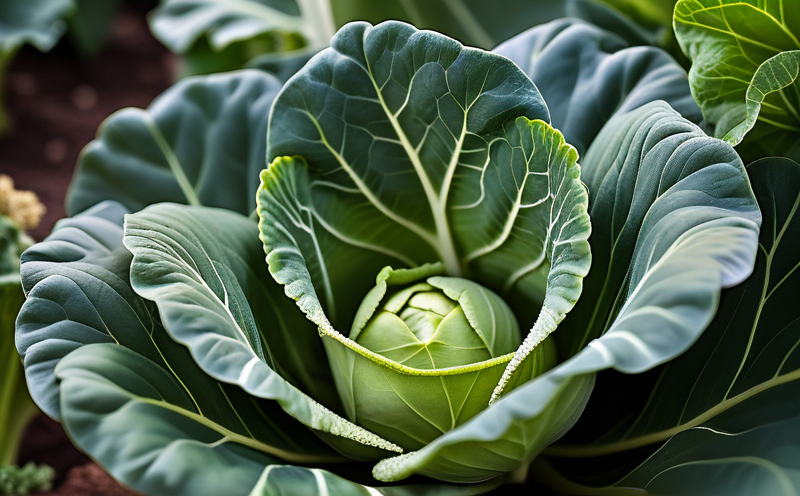
🥕 Collard Greens

Brassica oleracea var. viridis
vegetables brassica (leafy green, cole crop)
Illustration of Collard Greens
☀️ Sun
Full sun (6–8 hours); tolerates partial shade well — one of the most shade-tolerant vegetables
💧 Water
Medium–high; 1–1.5 inches per week; consistent moisture for tender leaves; drought stress causes tough, bitter leaves
🗺️ Zones
4, 5, 6, 7, 8, 9, 10
🪴 Soil Type
Rich, well-drained loam with high organic matter; collards are heavy feeders — incorporate 2–3 inches of compost before planting; benefits from side-dressing with nitrogen mid-season
🧪 Soil pH
6.0–7.5 (slightly acidic to slightly alkaline)
💧 Drainage
Well-drained; tolerates heavier clay soils better than most brassicas; does not like waterlogged roots
📏 Spacing
12–18 inches apart; rows 24–36 inches; collards grow large (2–3 feet tall/wide) — give ample space
📅 Days to Maturity
55-75 days (from seed); baby leaves at 28-35 days

🍴 Edible Parts

🍽️ ["Leaves (main edible part \u2014 traditionally slow-cooked)"🍽️ "Stems (chopped fine and cooked with leaves)"🍽️ "Flower buds (collard raab \u2014 like broccoli raab🍽️ harvested before flowers open)"]

🤝 Companions (7)

Attracts parasitic wasps that control cabbage loopers and diamondback moths; improves collard growth by deterring brassica pests
Aromatic oils mask brassica scent from cabbage moths; repels flea beetles
Repels cabbage moths, flea beetles, and carrot rust fly
🤝 Onion/Garlic/Allium
Repels cabbage loopers and aphids; collards benefit from allium's pest-deterrent sulfur compounds
Excellent trap crop for aphids — cabbage aphids prefer nasturtium; repels cabbage worms
🤝 Chamomile
Improves brassica flavor; antifungal properties; attracts hoverflies and beneficial wasps
🤝 Potato (conflicting)
Some traditions plant collards near potatoes — collards may deter Colorado potato beetles; conflicting sources: potato may compete for nutrients

⚠️ Keep Apart (4)

Brassicas and strawberries mutually inhibit growth; strawberries are susceptible to verticillium wilt which brassicas may harbor
Brassica root exudates may stunt tomato growth; separate by at least 3–4 feet
⚠️ Bean (pole/runner)
Beans and brassicas are traditionally separated — beans may be stunted by brassica root exudates
Allelopathic — severely inhibits collard growth

💊 Medicinal Uses

["Extremely nutrient-dense \u2014 excellent source of vitamin K (1 cup = 1000%+ daily value), vitamin A, vitamin C, and manganese", "Contains sulforaphane and indole-3-carbinol \u2014 powerful anti-cancer glucosinolates (especially against breast, colon, and prostate cancers)", "High in calcium (more bioavailable than spinach's calcium); also contains vitamin D2 (rare in vegetables)", "High fiber content \u2014 supports digestive health and cholesterol reduction", "Contains alpha-lipoic acid \u2014 antioxidant that may help lower blood glucose and improve insulin sensitivity"]

📝 Notes

Collards are the most cold-hardy brassica alongside kale — flavor sweetens significantly after frost (starches convert to sugars). Can survive temperatures to 5°F (-15°C) with protection. Traditional Southern US staple — slow-cooked with smoked meat. 'Georgia Southern' is the classic variety; 'Champion' is more compact. Cut lower/outer leaves first for extended harvest (4–6+ months per plant). Can be grown as a perennial cut-and-come-again crop in mild climates. Cabbage loopers are the main pest — Bt (Bacillus thuringiensis) or row covers for organic control.