🥦 Cauliflower
Brassica oleracea var. botrytis
vegetables
brassica (cole crop)
☀️ Sun
Full sun (6, 8 hours); tolerates partial shade
💧 Water
High; 1, 1.5 inches per week CONSTANTLY; cauliflower is very sensitive to water stress , inconsistent watering causes 'buttoning' (tiny heads) or loose curds
🗺️ Zones
2, 3, 4, 5, 6, 7, 8, 9, 10
🧪 Soil pH
6.5, 7.5 (neutral to slightly alkaline preferred , slightly more alkaline than other brassicas; higher pH helps prevent clubroot)
🪴 Soil Type
Very rich, well-drained loam with heavy compost; cauliflower is one of the most demanding brassicas for fertility and consistent growing conditions
🚿 Drainage
Well-drained; consistent moisture is critical , any stress causes small, loose, or 'ricey' curds
📏 Spacing
18, 24 inches apart; rows 30, 36 inches
⏱️ Maturity
55-80 days (from transplant); 70-100 days from seed
🍴 Edible Parts
🍽️ Flower head (curd)
🍽️ Leaves (edible , cook like cabbage)
🍽️ Stalks (peeled and sliced)
Key:🤝 Grows well together❌ Keep apart☀️ Sun needs💧 Water🗺️ Hardiness zone
🤝 Companions (7)
Beans fix nitrogen; nitrogen is critical for cauliflower head development; conflicting: some say brassicas inhibit beans
Celery repels cabbage white butterfly; mutual growth benefit reported
Improves flavor; attracts beneficial insects
Attracts beneficial wasps and hoverflies that parasitize cabbage worms and aphids
Fenugreek fixes nitrogen for cauliflower; its strong scent deters cabbage pests.
Trap crop for aphids; repels cabbage worms IMPORTANT management caveat: without active management, nasturtiums can become a SOURCE of aphids that migrate to nearby crops. Either remove aphid-infested nasturtium plants promptly, or treat the trap crop itself to eliminate the aphid colony before it spreads. Strategic placement within 4-5 feet of protected crops is key.
Strong scent masks brassica; repels cabbage moths
⚠️ Keep Apart (3)
Brassica allelopathy may stunt pepper growth
Mutual growth inhibition reported
Antagonistic relationship , brassicas may stunt tomatoes via allelopathy
💊 Medicinal Uses
Medicinal Properties
- Contains sulforaphane and glucosinolates (anti-cancer compounds , lower than broccoli but still significant)
- High in vitamin C, vitamin K, and folate
- Good source of choline , important for brain health and liver function
- Contains indole-3-carbinol (hormone regulation)
📝 Growing Notes
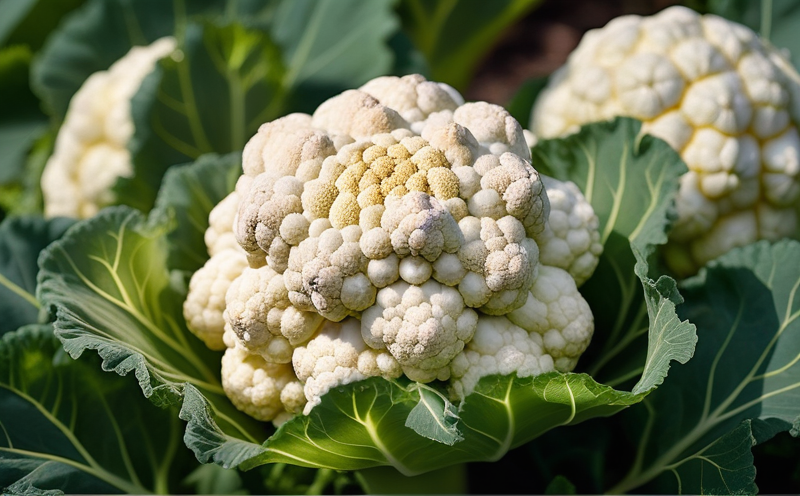
Cauliflower is among the most difficult brassicas to grow , extremely sensitive to temperature, water, and nutrient fluctuations. Self-blanching varieties (wrapping leaves naturally) are easier than those requiring manual tying. Purple, orange, and green ('Romanesco') varieties exist with different nutrient profiles. Blanching (covering the curd with leaves to exclude light) keeps traditional white cauliflower from yellowing. Ideal temperature: 60-70°F during heading.
🛒 Buy Seeds & Plants
Baker Creek Heirloom Seeds
Johnny's Selected Seeds
Botanical Interests
True Leaf Market
Burpee
Territorial Seed Company
Plot Buddies is reader-supported. When you buy through links on our site, we may earn an affiliate commission at no extra cost to you. This does not affect our plant recommendations. We only link to retailers we trust.