🍆 Eggplant
🍴 Edible Parts
🤝 Companions (10)
⚠️ Keep Apart (4)
💊 Medicinal Uses
Medicinal Properties
- Contains nasunin , a potent anthocyanin antioxidant found in purple eggplant skin; protects cell membranes from lipid peroxidation (brain health)
- Excellent source of dietary fiber , supports digestive health and cholesterol reduction
- Contains chlorogenic acid , antioxidant with antimicrobial, anti-inflammatory, and blood-sugar-lowering properties
- Good source of B vitamins (especially B1/B6), copper, and manganese
- Traditional medicine: used topically for skin inflammation; juice for lowering cholesterol (folk use)
📝 Growing Notes
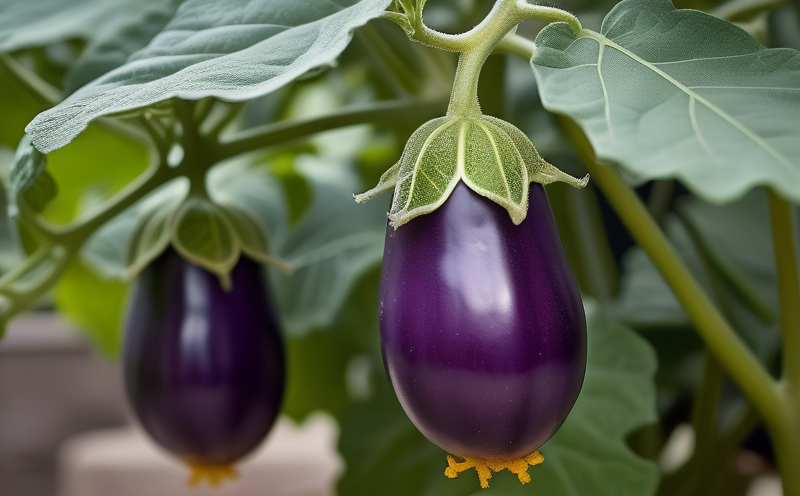
Eggplants are the MOST cold-sensitive nightshade , require soil temperatures above 65°F and air temperatures consistently above 70°F. Transplant only when nights are reliably above 55°F. Flea beetles are the #1 pest , they can kill young seedlings; floating row covers until flowering, then remove for pollination. Staking/caging prevents heavy fruit from breaking branches. Harvest when skin is glossy , dull skin means overripe and may be bitter; press gently , if flesh springs back, it's ready. Salting sliced eggplant before cooking draws out bitterness and prevents oil absorption. Modern varieties ('Italian', 'Japanese/Chinese' long types) are less bitter than older large globe types. Prune suckers for larger fruit, or leave unpruned for higher yield of smaller fruit.
🛒 Buy Seeds & Plants
Plot Buddies is reader-supported. When you buy through links on our site, we may earn an affiliate commission at no extra cost to you. This does not affect our plant recommendations. We only link to retailers we trust.