🥕 Kohlrabi

Brassica oleracea var. gongylodes
vegetables brassica (stem vegetable, cole crop)
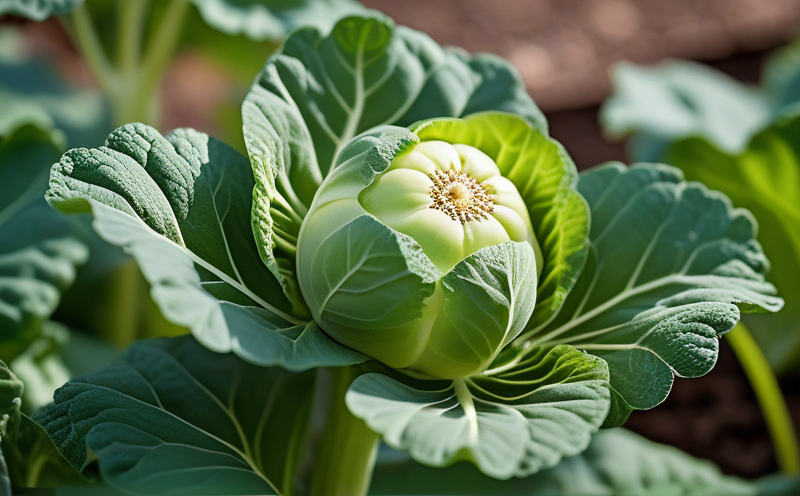
Illustration of Kohlrabi
☀️ Sun
Full sun (6–8 hours); tolerates partial shade better than most brassicas
💧 Water
Medium; 1 inch per week consistently; fluctuating water causes woody/tough bulbs; even moisture throughout bulb development essential for tenderness
🗺️ Zones
3, 4, 5, 6, 7, 8, 9, 10
🪴 Soil Type
Rich, well-drained loam with moderate organic matter; consistent fertility produces tender, non-woody bulbs; avoid excessive nitrogen (causes all leaves, small bulbs); boron is important for kohlrabi — deficiency causes hollow stem
🧪 Soil pH
6.0–7.5 (slightly acidic to slightly alkaline)
💧 Drainage
Well-drained; consistent moisture but not waterlogged
📏 Spacing
4–6 inches apart for small bulbs; 8–12 inches apart for large bulbs; rows 12–18 inches; closer spacing produces smaller, more tender bulbs
📅 Days to Maturity
45-60 days (from seed); harvest when stem swells to 2-3 inches diameter

🍴 Edible Parts

🍽️ ["Swollen stem (the 'bulb' \u2014 actually an enlarged stem🍽️ not root; eaten raw🍽️ roasted🍽️ steamed🍽️ mashed🍽️ in slaws)"🍽️ "Leaves (edible \u2014 similar to kale/collards; cook like any brassica green)"🍽️ "Stems/leaf ribs (tender when young)"🍽️ "Peel (the fibrous skin \u2014 peel before eating mature bulbs; young bulbs may not need peeling)"]

🤝 Companions (7)

🤝 Onion/Garlic/Chives
Repels aphids, cabbage worms, and flea beetles from kohlrabi; allium's sulfur compounds mask brassica scent
Different plant parts harvested — beets are roots, kohlrabi is stem; complementary mineral usage; beets add minerals to soil that kohlrabi uses
Lettuce is shallow-rooted and short-season, harvested before kohlrabi needs full space; lettuce grows in kohlrabi's light shade
Attracts beneficial wasps that parasitize cabbage worms; improves brassica growth and flavor
Trap crop for aphids and cabbage worms; repels various pests; ground cover retains moisture
🤝 Sage/Rosemary
Aromatic oils repel cabbage moths and flea beetles; strong scent masks kohlrabi's host cues
🤝 Pea
Peas fix nitrogen; harvested by mid-season before kohlrabi matures (55–70 days); complementary root depths

⚠️ Keep Apart (4)

Brassica root exudates may stunt tomato growth; separate by 3+ feet
Brassicas and strawberries mutually inhibit growth; strawberries susceptible to verticillium wilt
⚠️ Pole bean / Runner bean
Beans may be inhibited by brassica allelopathy; conflicting evidence but separation is conservative
Allelopathic — severely inhibits kohlrabi growth

💊 Medicinal Uses

["Excellent source of vitamin C \u2014 one cup provides 100%+ daily value; more vitamin C than oranges by weight", "Contains glucosinolates and isothiocyanates \u2014 anti-cancer compounds (same as broccoli/kale)", "Rich in fiber (both soluble and insoluble) \u2014 supports digestive health and satiety", "Good source of vitamin B6, potassium, copper, and manganese", "Contains lutein and zeaxanthin for eye health"]

📝 Notes

Kohlrabi means 'cabbage turnip' in German, but it's a stem vegetable — the 'bulb' is an enlarged stem growing above ground, not a root. Two main types: green/white (most common, milder) and purple (more colorful, slightly spicier — both have white flesh inside). Kohlrabi is one of the fastest brassicas — harvest in 45–60 days. HARVEST ON TIME — bulbs larger than 3–4 inches become woody and fibrous. The key to tender kohlrabi: consistent water + harvest at golf-ball to tennis-ball size. Peeling is essential for mature bulbs — the skin is inedibly fibrous. Great for intercropping due to upright growth habit. Cabbage worms love kohlrabi leaves — Bt or row covers. Excellent spring and fall crop; bolts in heat above 80°F. Taste: mild, sweet, like a cross between broccoli stem and apple.