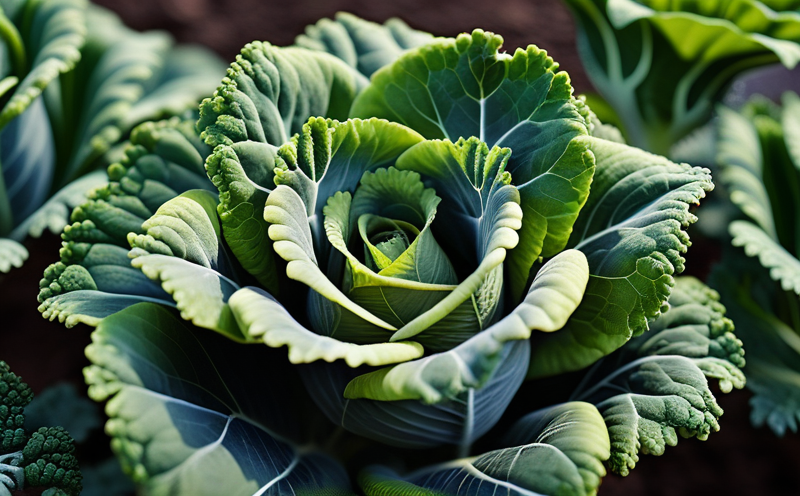
🥦 Kale
Brassica oleracea var. sabellica (curly), B. oleracea var. acephala (lacinato/dinosaur)
vegetables
brassica (leafy green, cole crop)
☀️ Sun
Full sun (6, 8 hours); tolerates partial shade better than most vegetables
💧 Water
Medium, high; 1, 1.5 inches per week; consistent moisture improves leaf tenderness and flavor
🗺️ Zones
2, 3, 4, 5, 6, 7, 8, 9
🧪 Soil pH
6.0, 7.5 (slightly acidic to slightly alkaline)
🪴 Soil Type
Rich, well-drained loam with high organic matter; kale is more forgiving than other brassicas but still a heavy feeder
🚿 Drainage
Well-drained; tolerates a range of conditions better than most brassicas
📏 Spacing
12, 18 inches apart; rows 24 inches; Italian lacinato/dinosaur kale needs slightly less space than curly types
⏱️ Maturity
30-60 days (from seed) for baby leaves; 50-75 days for full size
🍴 Edible Parts
🍽️ Leaves
🍽️ Stems (edible when young; tough stems can be braised or discarded)
🍽️ Flower buds (kale raab , like broccoli)
Key:🤝 Grows well together❌ Keep apart☀️ Sun needs💧 Water🗺️ Hardiness zone
🤝 Companions (7)
Different root depths; kale benefits from minerals beets add to soil
Improves flavor; antifungal; attracts beneficial insects
Attracts parasitic wasps for cabbage worm control; improves growth
Trap crop for aphids; cabbage worms prefer nasturtiums to kale IMPORTANT management caveat: without active management, nasturtiums can become a SOURCE of aphids that migrate to nearby crops. Either remove aphid-infested nasturtium plants promptly, or treat the trap crop itself to eliminate the aphid colony before it spreads. Strategic placement within 4-5 feet of protected crops is key.
Repels cabbage loopers; conflicting: alliums may inhibit brassicas slightly
Repels cabbage moths; masks brassica scent
Repels flea beetles and cabbage moths
⚠️ Keep Apart (3)
⚠️ Beans (conflicting)
Some sources say beans stunt kale; others say kale benefits from nitrogen , most modern sources recommend separation
Mutual growth inhibition
Brassica allelopathy may stunt tomatoes
💊 Medicinal Uses
Medicinal Properties
- One of the most nutrient-dense foods on the planet , extremely high in vitamins K, A, C, and B6
- Contains sulforaphane (anti-cancer), kaempferol and quercetin (anti-inflammatory flavonoids)
- Exceptional source of lutein and zeaxanthin for eye health
- Contains bile acid sequestrants that can lower cholesterol (steamed kale is especially effective)
- High in calcium (more bioavailable than spinach's oxalate-bound calcium)
📝 Growing Notes
Kale is the most cold-hardy brassica , flavor IMPROVES after frost (cold converts starches to sugars, reducing bitterness). Can survive temperatures down to 0°F (-18°C) with protection. Varieties: Curly kale (most common), Lacinato/Dinosaur/Tuscan (dark, bumpy leaves , best for cooking), Red Russian (tender, purple stems , best for salads), Siberian (most cold-hardy). Perennial 'tree kale' varieties exist (Brassica oleracea var. ramosa) , can live 5+ years.
🛒 Buy Seeds & Plants
Baker Creek Heirloom Seeds
Johnny's Selected Seeds
Botanical Interests
True Leaf Market
Burpee
Territorial Seed Company
Plot Buddies is reader-supported. When you buy through links on our site, we may earn an affiliate commission at no extra cost to you. This does not affect our plant recommendations. We only link to retailers we trust.