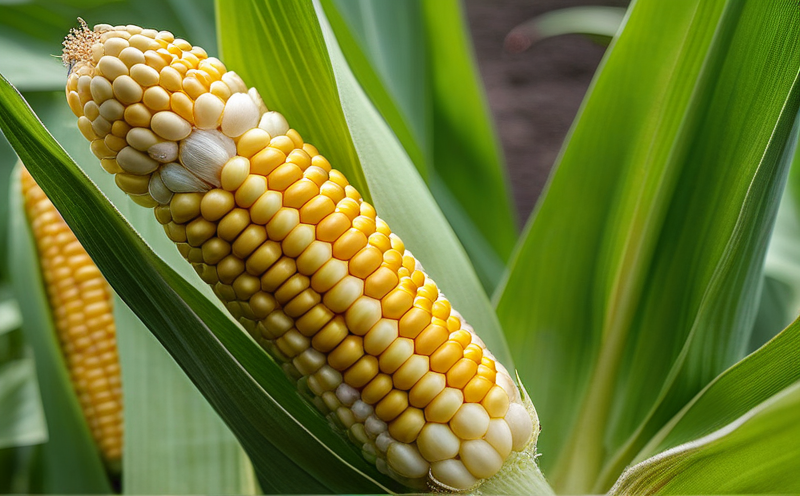
🌽 Sweet Corn
Zea mays
vegetables
grain (grown as vegetable)
☀️ Sun
Full sun (8+ hours ideally); corn is one of the most sun-demanding crops , shade drastically reduces yield
💧 Water
High; 1, 1.5 inches per week; critical during tasseling and ear fill; inconsistent water during ear fill causes poorly filled ears
🗺️ Zones
3, 4, 5, 6, 7, 8, 9, 10, 11
🧪 Soil pH
5.8, 7.0 (slightly acidic to neutral)
🪴 Soil Type
Rich, well-drained loam; corn is the heaviest feeder of common garden vegetables , needs high nitrogen throughout growing season
🚿 Drainage
Well-drained essential; does NOT tolerate waterlogged soil
📏 Spacing
Seeds 8, 12 inches apart in rows 30, 36 inches apart; plant in blocks (at least 4 rows) rather than single long rows for wind pollination
⏱️ Maturity
60-100 days (from seed); early varieties 60-70, mid 70-85, late 85-100 days
🍴 Edible Parts
🍽️ Kernels (fresh, dried, ground)
🍽️ Silk (medicinal tea)
🍽️ Young ears (baby corn)
🍽️ Stalks (fodder/compost)
Key:🤝 Grows well together❌ Keep apart☀️ Sun needs💧 Water🗺️ Hardiness zone
🤝 Companions (8)
Three Sisters , beans climb corn stalks (living trellis) and fix nitrogen that corn heavily consumes; mutualistic: corn supports beans, beans feed corn
Living mulch between rows; fixes nitrogen; suppresses weeds
Corn provides wind protection and partial shade in hot climates
Attracts parasitic wasps that control corn earworm and armyworms
Peas fix nitrogen at corn roots, benefiting corn growth; peas are cool-season and finish before corn needs full sun and space. Listed by WVU Extension as a corn companion and part of the extended Three Sisters family.
Trap crop for aphids; repels corn pests IMPORTANT management caveat: without active management, nasturtiums can become a SOURCE of aphids that migrate to nearby crops. Either remove aphid-infested nasturtium plants promptly, or treat the trap crop itself to eliminate the aphid colony before it spreads. Strategic placement within 4-5 feet of protected crops is key.
🤝 Squash/Pumpkin
Three Sisters , squash shades soil, suppresses weeds, conserves moisture, and its prickly vines deter raccoons and deer from eating corn
Attracts pollinators and beneficial insects; provides windbreak; some say sunflowers improve corn yield (conflicting: some report allelopathy)
⚠️ Keep Apart (3)
💊 Medicinal Uses
Medicinal Properties
- Corn silk tea: traditional diuretic and treatment for urinary tract infections and kidney stones
- High in lutein and zeaxanthin , carotenoids protective against macular degeneration
- Good source of thiamine (B1), folate, and fiber
- Gluten-free grain; useful for celiac disease
📝 Growing Notes
Corn is wind-pollinated , ALWAYS plant in blocks of at least 4×4 (minimum 16 plants) for adequate pollination, never single rows. Each silk strand corresponds to one kernel. Cross-pollination between varieties affects this year's kernel genetics , isolate sweet, popcorn, and field corn by 250+ ft or 14+ days maturity difference. Side-dress with nitrogen when plants are knee-high. Raccoons are a major pest , harvest promptly or use electric fencing.
🛒 Buy Seeds & Plants
Baker Creek Heirloom Seeds
Johnny's Selected Seeds
Botanical Interests
True Leaf Market
Burpee
Territorial Seed Company
Plot Buddies is reader-supported. When you buy through links on our site, we may earn an affiliate commission at no extra cost to you. This does not affect our plant recommendations. We only link to retailers we trust.