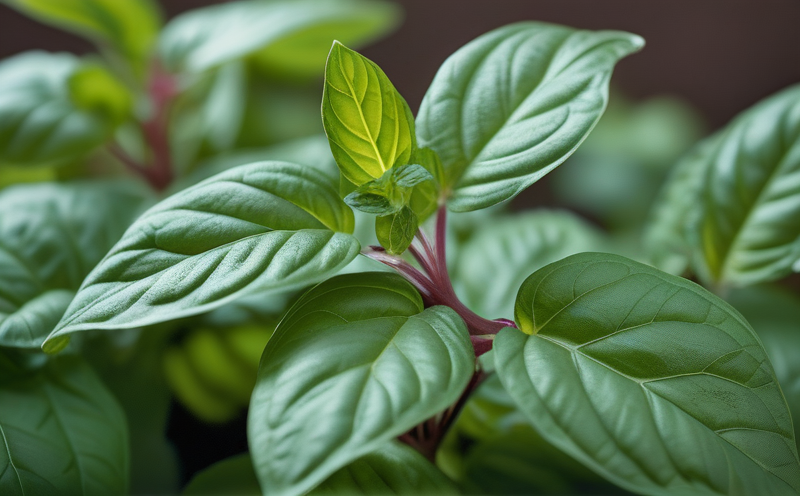
🌿 Basil

Ocimum basilicum
herbs Annual herb
Illustration of Basil
☀️ Sun
Full sun; 6-8 hours daily. Tolerates partial shade in hot climates.
💧 Water
Consistent moisture; water deeply 1-2 times per week. Mulch to retain moisture. Avoid wetting leaves.
🗺️ Zones
USDA zones 4-10 as annual; perennial only in zones 10-11
🪴 Soil Type
Rich, well-draining, moist soil with pH 6.0-7.0. Add compost before planting.
🧪 Soil pH
6.0-7.0 (prefers warm, well-drained, fertile soil)
📏 Spacing
12-18 inches apart
📐 Height
12-24 inches
📅 Days to Maturity
60-90 days from seed

🍴 Edible Parts

🍽️ ["Leaves"🍽️ "Flowers"🍽️ "Seeds (edible when soaked)"]

🤝 Companions (8)

🤝 Tomatoes
Improves tomato flavor and growth; repels tomato hornworms, whiteflies, and aphids. Basil and tomatoes share similar water needs.
🤝 Peppers
Repels aphids, spider mites, and thrips from peppers; improves pepper flavor.
Both are aromatic pest deterrents; oregano repels pests that target basil.
🤝 Marigolds
Marigolds repel nematodes and many insect pests; basil benefits from this protection.
🤝 Chamomile
Chamomile is said to increase basil's essential oil production, enhancing flavor and medicinal potency.
Basil provides light shade and repels pests from lettuce.
Basil repels asparagus beetles.
Borage attracts pollinators that benefit basil; said to improve growth.

⚠️ Keep Apart (5)

⚠️ Rue
Rue inhibits basil growth and can cause basil to become stunted; allelopathic effects.
Sage and basil can stunt each other's growth; they compete for similar nutrients and may inhibit each other.
⚠️ Common Rue
Strongly antagonistic; rue's root exudates inhibit basil germination and growth.
Rosemary and basil have different watering needs. Rosemary prefers dry conditions while basil needs consistent moisture. Not a biological enemy but challenging to grow in the same bed. Can coexist in large gardens with separate watering zones. Many Mediterranean herb gardens grow both successfully with proper spacing.
Thyme and basil have different water requirements. Thyme thrives in dry conditions while basil needs consistent moisture. Not a biological enemy but difficult to irrigate together. Can coexist with separate watering zones and adequate spacing.

💊 Medicinal Uses

{"conditions_treated": ["Digestive issues (bloating, gas, indigestion, stomach cramps)", "Anxiety and stress (mild nervine, adaptogenic properties)", "Headaches and migraines", "Common cold and respiratory infections", "Inflammation (anti-inflammatory)", "Minor cuts and wounds (antibacterial)", "Insect bites and stings"], "preparation_methods": ["Fresh leaf tea: Steep 1-2 tsp fresh leaves in hot water for 5-10 minutes for digestive relief", "Essential oil: Steam distilled; used in aromatherapy for mental clarity and stress", "Poultice: Crushed fresh leaves applied to insect bites and minor wounds", "Tincture: 1:5 ratio in 40% alcohol; 2-4ml up to 3x daily for digestive issues", "Culinary use: Regular dietary inclusion for general health maintenance", "Infused oil: Leaves steeped in carrier oil for massage (anti-inflammatory)"], "active_compounds": ["Eugenol", "Linalool", "Estragole", "Rosmarinic acid", "\u03b2-caryophyllene"], "toxicity_warnings": "Generally safe in culinary amounts. Estragole in some varieties (especially holy basil) may have carcinogenic potential in extremely high isolated doses \u2014 not a concern in normal use. Essential oil should be diluted. Avoid medicinal doses during pregnancy."}

📜 History & Traditional Uses

{"medieval": "Used in medieval monastery gardens as a 'strewing herb' to freshen air. Considered a sacred herb in both European and Indian traditions. Used to treat melancholy and 'comfort the brain.'", "ancient": "Sacred to Vishnu and Krishna in Hindu tradition (Tulsi/Holy Basil). Ancient Greeks called it 'basilikon' (royal). Used in Egyptian embalming.", "folk_medicine": "European folk medicine used basil tea for 'nervous headaches,' digestive sluggishness, and to increase breast milk production. In Ayurveda, Tulsi is considered a rasayana (rejuvenative) and adaptogen."}