🌾 Amaranth
Amaranthus spp.
grains
annual
Amaranthaceae
☀️ Sun
full sun
💧 Water
moderate
🗺️ Zones
2-11
🧪 Soil pH
6.0-7.0
🪴 Soil Type
loamy
🚿 Drainage
well-drained
📏 Spacing
12-18 inches
📐 Height
3-8 feet
⏱️ Maturity
50-75 days (leaves), 90-120 days (seed)
Key:🤝 Grows well together❌ Keep apart☀️ Sun needs💧 Water🗺️ Hardiness zone
🤝 Companions (12)
Basil repels mosquitoes, thrips, and flies that damage amaranth leaves; aromatic oils may improve amaranth's vigor when grown nearby.
Beans fix nitrogen for heavy-feeding amaranth
Tall corn provides support; amaranth shades soil beneath
Amaranth provides light shade for cucumbers in hot climates without competing heavily for nutrients
Amaranth's tall growth can provide wind protection and partial shade for eggplants in hot summers
Marigolds repel nematodes and leaf-eating pests; root exudates suppress soil-borne pathogens, creating healthier soil for amaranth.
Onions repel aphids and spider mites; their shallow roots don't compete with amaranth's deep taproot, making them ideal intercropping partners.
Peas fix nitrogen and finish early before amaranth reaches full size; pea trellis provides wind protection for young amaranth seedlings.
Peppers benefit from afternoon shade amaranth casts in hot summer months; both thrive in warm, well-drained soils with similar fertility needs.
Amaranth provides light dappled shade protecting tomatoes from sunscald in hot climates; tomatoes benefit from the windbreak without heavy root competition.
⚠️ Keep Apart (7)
Competition for root space and nutrients can reduce yields for both crops
Cabbage and amaranth compete for similar soil nutrients; cabbage's broad leaves shade out young amaranth seedlings when planted too closely.
Amaranth's deep taproot competes directly with carrots in the root zone
Fennel is allelopathic to most garden plants including amaranth; root exudates inhibit seed germination and stunt seedling growth.
⚠️ Lambsquarters
Lambsquarters is a wild amaranth relative that harbors shared pests and diseases; its presence creates a pest bridge to cultivated amaranth.
⚠️ Nightshade (wild)
Wild nightshades harbor pests and diseases that readily transfer to amaranth; they also compete aggressively for the same soil nutrients.
Both are heavy feeders competing for the same soil nutrients, and amaranth's tall growth can shade out potato plants
📝 Growing Notes
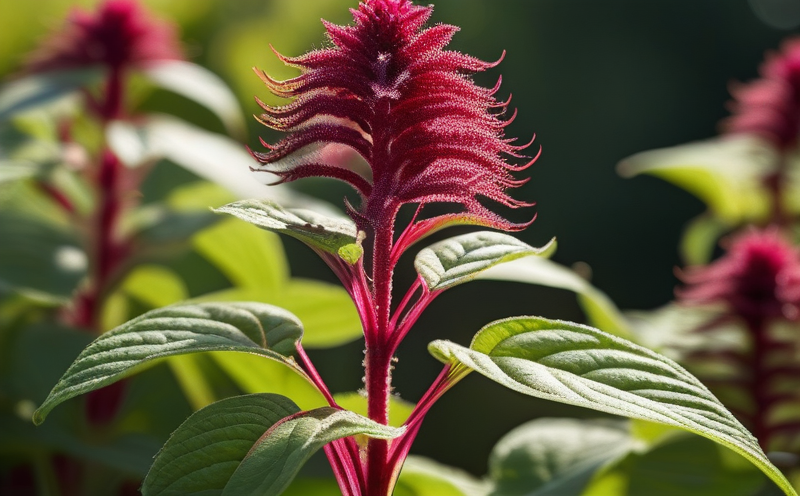
Amaranth is a C4 plant with exceptional drought and heat tolerance. Both leaves and seeds are edible , the leaves taste similar to spinach, and the seeds can be popped like popcorn or cooked as a grain. It readily self-seeds and can become weedy if not managed. Amaranth is gluten-free and considered a pseudocereal along with quinoa and buckwheat. Some ornamental varieties have stunning red, purple, or gold flower plumes.
🛒 Buy Seeds & Plants
Baker Creek Heirloom Seeds
Johnny's Selected Seeds
Botanical Interests
True Leaf Market
Burpee
Territorial Seed Company
Plot Buddies is reader-supported. When you buy through links on our site, we may earn an affiliate commission at no extra cost to you. This does not affect our plant recommendations. We only link to retailers we trust.