🌿 Thyme
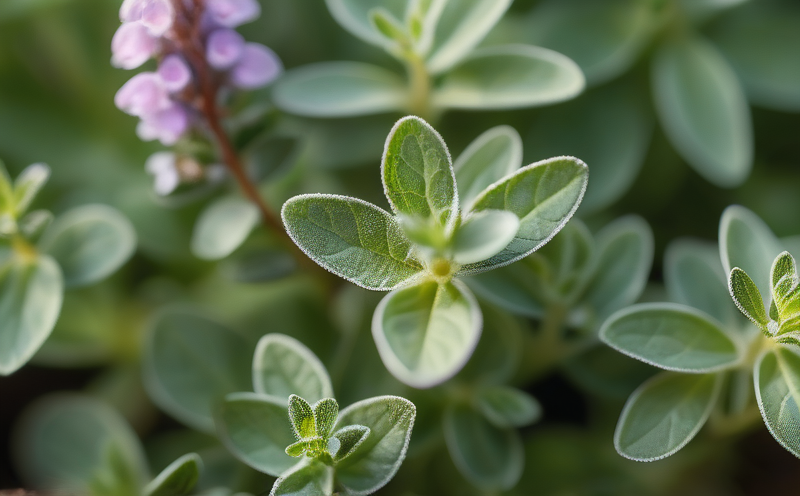
🍴 Edible Parts
🤝 Companions (11)
⚠️ Keep Apart (2)
💊 Medicinal Uses
Conditions Treated
Preparation Methods
- Tea: 1-2 tsp dried thyme steeped 10-15 minutes; for coughs, colds, and digestive issues
- Thymol mouthwash: Strong infusion or diluted essential oil as gargle for sore throat
- Steam inhalation: Fresh/dried thyme in hot water for respiratory congestion
- Tincture: 1:5 in 45% alcohol; 2-4ml 3x daily for respiratory infections
- Infused oil: Thyme in olive oil for topical antibacterial/fungal application
- Bath: Strong infusion added to bathwater for rheumatism and muscle pain
- Syrup: Thyme honey syrup (oxymel) for persistent coughs
Active Compounds
⚠️ Safety
Generally safe in culinary amounts. Essential oil is very concentrated , must be diluted. Avoid medicinal doses during pregnancy. Large internal doses of essential oil can cause nausea, dizziness, or thyroid suppression. Do not use essential oil internally without professional guidance.
📜 History & Folklore
🏛️ Ancient
Ancient Egyptians used thyme in embalming. Greeks burned it as incense in temples; 'thymos' means courage. Roman soldiers bathed in thyme for vigor.
🏰 Medieval
Symbol of courage , knights wore thyme sprigs embroidered by ladies. Used during the Black Death in herbal protective sachets. Burned as fumigant to purify air. Used in embalming.
🌿 Folk Medicine
Traditional European remedy for 'chest complaints' and whooping cough. Thyme honey was a standard cough remedy. Used to treat intestinal worms in children. Placed under pillows to prevent nightmares.
🛒 Buy Seeds & Plants
Plot Buddies is reader-supported. When you buy through links on our site, we may earn an affiliate commission at no extra cost to you. This does not affect our plant recommendations. We only link to retailers we trust.