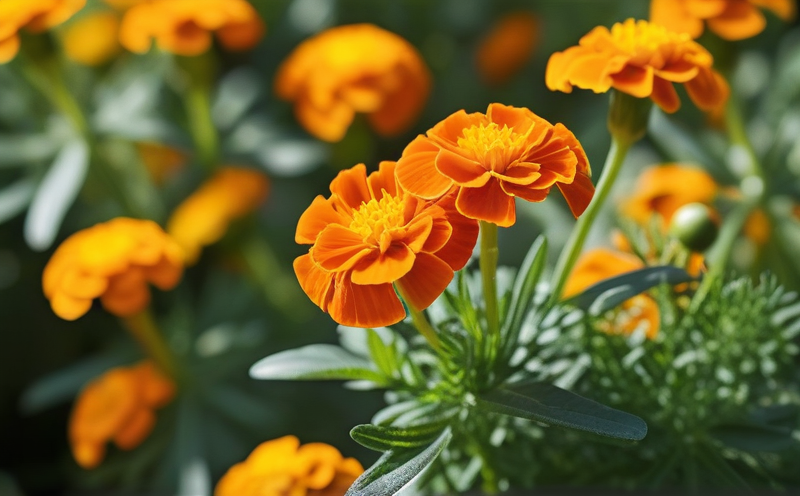
🌿 Marigold (French)
Tagetes patula
herbs
annual flower
Asteraceae
☀️ Sun
full sun
💧 Water
moderate (drought-tolerant once established)
🗺️ Zones
2, 11 (annual)
🧪 Soil pH
6.0, 7.5
🪴 Soil Type
well-drained loam; tolerates poor to average soil
🚿 Drainage
well-drained
📏 Spacing
6, 12 inches (French), 12, 18 inches (African)
📐 Height
6, 12 inches (French), 12, 36 inches (African)
⏱️ Maturity
50, 60 days to flower
Key:🤝 Grows well together❌ Keep apart☀️ Sun needs💧 Water🗺️ Hardiness zone
🤝 Companions (27)
Marigolds suppress nematodes around apple tree roots; colorful orchard understory.
Marigolds repel Mexican bean beetles and protect bean roots from nematodes; both thrive in well-drained warm soil.
Marigolds protect beets from nematodes and soil-borne pests; root exudates suppress pathogens.
Marigolds repel nematodes, aphids, and whiteflies from peppers; classic protective companion.
Marigolds mask brassicas from cabbage moths and suppress clubroot nematodes in brassica beds.
Marigolds repel carrot flies and nematodes; protective companion for root crops.
Marigolds deter cucumber beetles and nematodes; attract pollinators for cucumbers.
Marigolds suppress nematodes that devastate eggplant roots; deter flea beetles common on eggplants.
Marigolds repel black bean aphids from fava beans; soil-nematode suppression.
Marigolds repel nematodes and aphids from peppers; protective warm-season companion.
Marigolds deter nematodes and aphids from okra; attract pollinators for okra flowers.
Marigolds repel bean beetles and nematodes from pole beans; protective trellis companion.
Marigolds suppress nematodes that damage potato tubers through root exudates; attract beneficial insects that prey on potato pests. Note: Research (UMN Extension) shows marigolds do NOT deter Colorado potato beetles. Their benefit to potatoes is primarily nematode suppression and general biodiversity.
Marigolds repel squash bugs and nematodes; attract pollinators for pumpkin flowers.
Marigolds deter nematodes and pests from raspberry roots; brighten berry patch borders.
Marigolds repel aphids from roses and suppress soil pathogens around rose roots; orange/yellow flowers complement roses aesthetically.
Marigolds protect runner beans from aphids and bean beetles; nematode suppression.
Marigold scent deters squash bugs and cucumber beetles; attracts pollinators for squash fruit set.
Marigolds protect strawberry roots from nematodes and verticillium wilt; attract hoverflies that eat strawberry aphids.
Marigolds suppress nematodes that damage sweet potato roots; protective soil companion.
Marigolds repel nematodes and aphids from chard; colorful protective border.
Classic pairing: marigold root exudates suppress root-knot nematodes that attack tomatoes; strong scent masks tomatoes from whiteflies and hornworm moths.
Marigolds deter squash pests and attract pollinators; protective companion.
Marigolds repel squash pests from zucchini; attract bees for better pollination.
⚠️ Keep Apart (1)
⚠️ beans (particularly pole beans)
Marigolds release thiophenes that can inhibit bean growth and nitrogen fixation
📝 Growing Notes
Premier companion plant in organic gardening. Root exudates contain alpha-terthienyl that suppresses nematodes (root-knot, lesion). Strong scent deters whiteflies, aphids, cabbage moths, and squash bugs. French marigolds are more effective against nematodes than African. 'Nemagold', 'Tangerine', and 'Petite' series are especially good nematode suppressors. Attracts hoverflies and ladybugs. Plant as a border crop throughout the vegetable garden.
🛒 Buy Seeds & Plants
Baker Creek Heirloom Seeds
Johnny's Selected Seeds
Botanical Interests
True Leaf Market
Burpee
Territorial Seed Company
Plot Buddies is reader-supported. When you buy through links on our site, we may earn an affiliate commission at no extra cost to you. This does not affect our plant recommendations. We only link to retailers we trust.