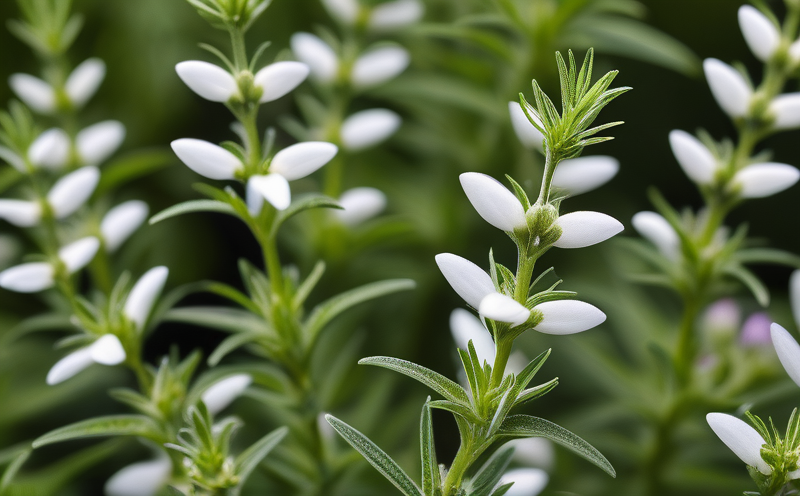
🌿 Summer Savory
Satureja hortensis
herbs
annual herb
Lamiaceae
☀️ Sun
full sun
💧 Water
moderate (consistent moisture, but tolerates some drought)
🗺️ Zones
2, 11 (annual)
🧪 Soil pH
6.0, 7.5
🪴 Soil Type
well-drained, moderately fertile loam
🚿 Drainage
well-drained
📏 Spacing
6, 12 inches
📐 Height
12, 18 inches
⏱️ Maturity
60, 70 days
Key:🤝 Grows well together❌ Keep apart☀️ Sun needs💧 Water🗺️ Hardiness zone
🤝 Companions (17)
Aromatic herb that improves health of neighboring plants
Classic bean companion: summer savory deters bean beetles and improves bean growth and flavor. Reduces flatulence when eaten together.
Summer savory repels cabbage moths and flea beetles from brassicas; its low growth doesn't shade cabbage.
Summer savory deters black bean aphids from fava beans; traditional bean companion.
Both are aromatic Mediterranean herbs with similar soil/sun needs; combined scents create a strong pest-repellent zone.
Universal garden companion; deters pests and attracts beneficials
Trap crop and ground cover; attracts pollinators IMPORTANT management caveat: without active management, nasturtiums can become a SOURCE of aphids that migrate to nearby crops. Either remove aphid-infested nasturtium plants promptly, or treat the trap crop itself to eliminate the aphid colony before it spreads. Strategic placement within 4-5 feet of protected crops is key.
Summer savory enhances onion growth and flavor when planted nearby; both repel each other's pests through combined aromatic compounds.
Summer savory repels bean beetles from pole beans; improves bean flavor.
Summer savory deters aphids from roses; its low-growing habit forms a beneficial understory without competing for light.
Summer savory's strong scent deters squash bugs and cucumber beetles; attracts bees essential for squash pollination.
Summer savory's aromatic oils deter sweet potato pests; low-growing herb companion.
Summer savory repels aphids and whiteflies from tomatoes; attracts beneficial wasps that control tomato hornworms.
⚠️ Keep Apart (6)
Summer savory may inhibit cucumber growth; cucumbers prefer richer, moister soil than savory tolerates well.
Allelopathic - may inhibit growth
Aggressive mint competes for resources
Susceptible to juglone toxicity from walnut trees
📝 Growing Notes
The 'bean herb' , classic pairing with all legumes because it reduces gas and enhances flavor. Essential in herbes de Provence. Annual (summer savory) is more delicate, sweeter than perennial winter savory (Satureja montana) which is stronger and more pungent. Attracts bees and beneficial insects. Cut back before flowering for best flavor. Reseeds readily. Excellent container herb. Companion plants benefit from its pest-repelling aromatic oils.
🛒 Buy Seeds & Plants
Baker Creek Heirloom Seeds
Johnny's Selected Seeds
Botanical Interests
True Leaf Market
Burpee
Territorial Seed Company
Plot Buddies is reader-supported. When you buy through links on our site, we may earn an affiliate commission at no extra cost to you. This does not affect our plant recommendations. We only link to retailers we trust.