🌿 Mint (General)
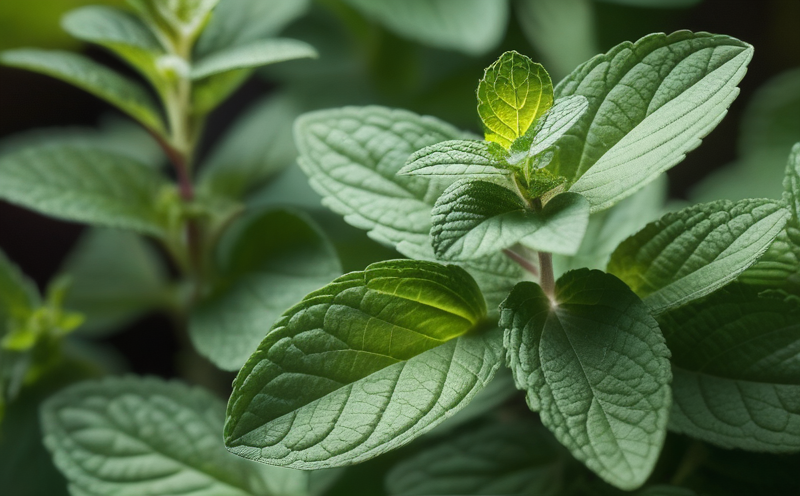
🍴 Edible Parts
🤝 Companions (5)
⚠️ Keep Apart (2)
💊 Medicinal Uses
Conditions Treated
Preparation Methods
- Peppermint tea: 1-2 tsp dried leaves steeped 10 minutes for digestive relief
- Spearmint tea: Milder, suitable for children and for gentle digestive soothing
- Tincture: 1:5 in 45% alcohol; 1-2ml as needed for digestive complaints
- Inhalation: Fresh leaves or essential oil in steam for congestion
- Topical oil: Diluted peppermint oil (2-3% in carrier) applied to temples for headache
- Mouth rinse: Strong infusion as antibacterial mouthwash
Active Compounds
⚠️ Safety
Peppermint oil can cause respiratory distress in infants and young children , NEVER apply near face of children under 5. Avoid peppermint with GERD/acid reflux (relaxes esophageal sphincter). Essential oil must be diluted for topical use. Avoid medicinal doses during pregnancy. Do not apply pure essential oil to mucous membranes.
📜 History & Folklore
🏛️ Ancient
Greek myth: Minthe was a nymph transformed into the plant. Romans introduced mint to Britain. Used in ancient feasts as a digestive aid. Pliny recommended mint wreaths for students to 'exhilarate the mind.'
🏰 Medieval
Used to 'comfort and strengthen the stomach.' Strewn on floors for fragrance and pest control. Monastery gardens always included mint for digestive complaints.
🌿 Folk Medicine
Universal digestive remedy across cultures. Mint tea after meals in Middle Eastern tradition. Used for 'sick headaches' and 'hysteric complaints' in European folk medicine.
🛒 Buy Seeds & Plants
Plot Buddies is reader-supported. When you buy through links on our site, we may earn an affiliate commission at no extra cost to you. This does not affect our plant recommendations. We only link to retailers we trust.