🥔 Sweet Potato
Ipomoea batatas
vegetables
tuberous root (root vegetable)
☀️ Sun
Full sun (6, 8+ hours); very heat-loving , thrives in temperatures 75, 95°F
💧 Water
Medium; 1 inch per week; drought-tolerant once established; reduce water 3, 4 weeks before harvest to prevent tuber cracking
🗺️ Zones
5, 6, 7, 8, 9, 10, 11
🧪 Soil pH
5.5, 6.5 (slightly acidic)
🪴 Soil Type
Loose, well-drained sandy loam; tolerates poor soil better than most vegetables; too much nitrogen produces excessive vines at expense of tubers
🚿 Drainage
Excellent drainage essential; raised ridges 8, 12 inches high ideal; clay soils cause misshapen roots
📏 Spacing
Slips 12, 18 inches apart in rows 36, 48 inches apart; vines spread 4, 8 ft
⏱️ Maturity
90-120 days (from slips); 100-150 days from planting slips to harvest
🍴 Edible Parts
🍽️ Tuberous roots (skin is edible)
🍽️ Leaves and young shoots (highly nutritious , commonly eaten in Africa, Asia, and the American South as a cooked green)
🍽️ Vines (fodder)
Key:🤝 Grows well together❌ Keep apart☀️ Sun needs💧 Water🗺️ Hardiness zone
🤝 Companions (6)
Beans fix nitrogen; sweet potatoes are less nitrogen-demanding but benefit from the boost; minimal root competition
Attracts parasitic wasps and hoverflies that prey on sweet potato pests
Suppresses nematodes (especially root-knot nematodes that attack sweet potatoes)
Aromatic oils repel sweet potato weevil and flea beetles; low ground cover
Quick-growing intercrop; harvested before sweet potatoes need the space
Repels sweet potato weevil; improves growth
⚠️ Keep Apart (4)
Allelopathic
Okra and sweet potato compete heavily for nutrients, water, and root space , mutual growth inhibition.
Both are aggressive sprawlers competing for space; squash can shade out sweet potato vines
Both attract similar pests; tomatoes can promote fungal diseases near sweet potatoes
💊 Medicinal Uses
Medicinal Properties
- Extremely high in beta-carotene (vitamin A) , one of the best plant sources; orange-fleshed varieties used to combat vitamin A deficiency globally
- Rich in vitamin C, manganese, copper, and B vitamins
- Lower glycemic index than white potatoes; contains adiponectin which may help regulate blood sugar
- Leaves: very high in lutein, vitamins, and polyphenols; studied for antioxidant and anti-diabetic properties
📝 Growing Notes
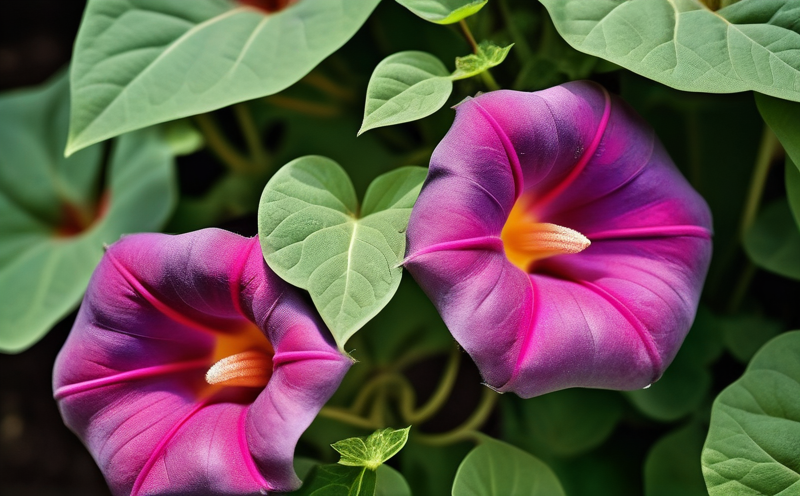
Sweet potatoes are NOT related to regular potatoes or yams , they're a morning glory relative (Convolvulaceae). Grown from 'slips' (rooted sprouts), not seed pieces. Requires 90, 120 frost-free days. Cure after harvest: 85°F, 85% humidity for 7, 10 days , converts starches to sugars and heals skin for storage (6+ months). Do NOT refrigerate raw sweet potatoes. Leaves are edible and more nutritious than spinach!
🛒 Buy Seeds & Plants
Baker Creek Heirloom Seeds
Johnny's Selected Seeds
Botanical Interests
True Leaf Market
Burpee
Territorial Seed Company
Plot Buddies is reader-supported. When you buy through links on our site, we may earn an affiliate commission at no extra cost to you. This does not affect our plant recommendations. We only link to retailers we trust.