🌿 Mullein
Verbascum thapsus
medicinal_herbs
biennial
Scrophulariaceae
☀️ Sun
Full sun
💧 Water
Low to moderate
🗺️ Zones
3, 9
🧪 Soil pH
6.0, 8.0
🪴 Soil Type
Sandy, gravelly, poor to average
🚿 Drainage
Well-drained to dry
📏 Spacing
18, 24 inches
📐 Height
4, 8 feet
⏱️ Maturity
365 days (first year rosette, second year flowers)
Key:🤝 Grows well together❌ Keep apart☀️ Sun needs💧 Water🗺️ Hardiness zone
🤝 Companions (7)
Ground cover and pest management
Shared sunny, well-drained preference
Dry soil, full sun compatibility
Shared dry conditions
Mediterranean herb garden companion
Low-growing companion, doesn't compete
Drought-tolerant pollinator pairing
⚠️ Keep Apart (3)
Requires more water than mullein can share
Too moist for mullein
Moisture needs clash
📝 Growing Notes
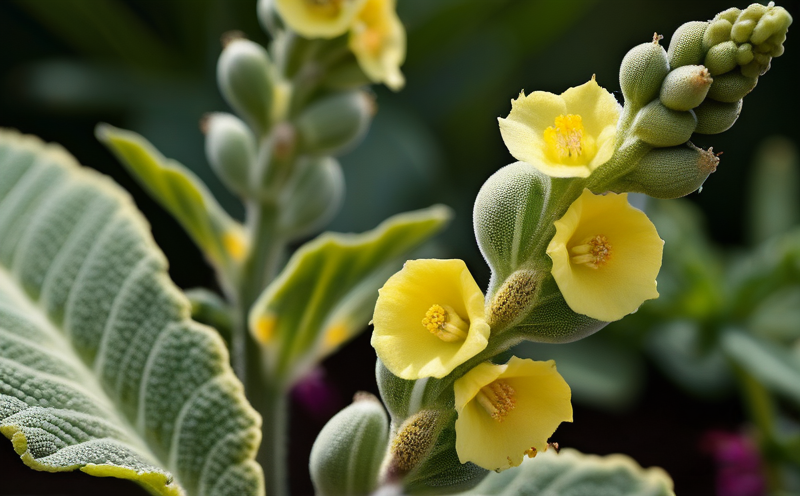
First year: basal rosette of large fuzzy leaves. Second year: dramatic 4, 8 ft flower spike with yellow blooms. Extremely drought-hardy once established. Prolific self-seeder; remove flower stalks to control spread. Individual flowers bloom for just one day. 'Cowboy toilet paper' , large soft leaves used in wilderness.
🛒 Buy Seeds & Plants
Baker Creek Heirloom Seeds
Johnny's Selected Seeds
Botanical Interests
True Leaf Market
Burpee
Territorial Seed Company
Plot Buddies is reader-supported. When you buy through links on our site, we may earn an affiliate commission at no extra cost to you. This does not affect our plant recommendations. We only link to retailers we trust.