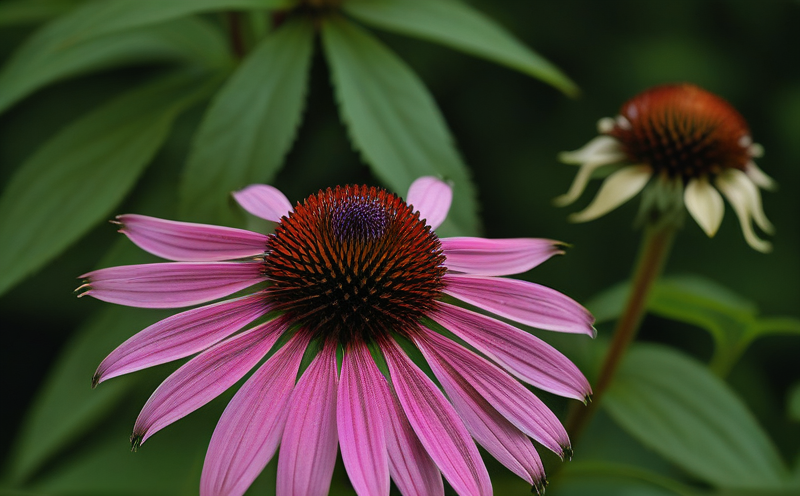
🌿 Echinacea
Echinacea purpurea (also E. angustifolia, E. pallida)
herbs
perennial herb
Asteraceae
☀️ Sun
full sun to partial shade
💧 Water
low to moderate (drought-tolerant once established)
🗺️ Zones
3, 9
🧪 Soil pH
6.0, 8.0
🪴 Soil Type
well-drained loam; tolerates poor, rocky, or clay soils
🚿 Drainage
well-drained
📏 Spacing
18, 24 inches
📐 Height
24, 48 inches
⏱️ Maturity
365 days (perennial, flowers second year from seed, first year from transplants)
Key:🤝 Grows well together❌ Keep apart☀️ Sun needs💧 Water🗺️ Hardiness zone
🤝 Companions (10)
Both attract hummingbirds, butterflies, and native bees; their overlapping bloom times create continuous pollinator habitat.
Both are prairie natives with identical soil/sun/water needs; visual complement and combined pollinator magnet.
Both are drought-tolerant, sun-loving perennials that attract bees and butterflies; lavender's strong scent protects echinacea from pests.
Both are drought-tolerant aromatic perennials; sage repels pests that might target echinacea flowers.
Echinacea attracts pollinators that also visit tomatoes for improved fruit set; deep roots don't compete with tomato surface roots.
Both are native North American prairie perennials with identical cultural needs; combined flowers attract diverse pollinators and beneficial insects.
Pollinator attraction improves flower fertilization; nitrogen from beans feeds echinacea
Predatory wasps control cabbage worms; winter seed heads provide predator overwintering habitat
Shared full-sun, well-drained conditions; pollinators benefit pepper fruit set
⚠️ Keep Apart (5)
Comfrey's massive size and dense shade overwhelm echinacea; comfrey prefers richer, moister soil than echinacea tolerates.
Horseradish's aggressive spreading root system invades echinacea's root zone, competing for space and nutrients.
Mint's aggressive runners will invade and choke echinacea's clumping crown; mint prefers moist soil while echinacea needs drier conditions.
Tall sunflowers shade out echinacea; sunflowers are allelopathic, inhibiting echinacea growth through root exudates.
⚠️ plants needing constant wet soil
Echinacea demands well-drained soil; root rot develops in soggy conditions
📝 Growing Notes
Outstanding pollinator plant , attracts butterflies, native bees, and goldfinches (eat seeds in fall/winter). Long-blooming (June to frost). Deer resistant. Leave seed heads standing for winter bird food. Clumping habit, not invasive. E. purpurea is easiest to grow; E. angustifolia has more potent roots but is harder to cultivate. Divide clumps every 3-4 years to maintain vigor.
🛒 Buy Seeds & Plants
Baker Creek Heirloom Seeds
Johnny's Selected Seeds
Botanical Interests
True Leaf Market
Burpee
Territorial Seed Company
Plot Buddies is reader-supported. When you buy through links on our site, we may earn an affiliate commission at no extra cost to you. This does not affect our plant recommendations. We only link to retailers we trust.