🥕 Asparagus

Asparagus officinalis
vegetables perennial vegetable (asparagaceae)
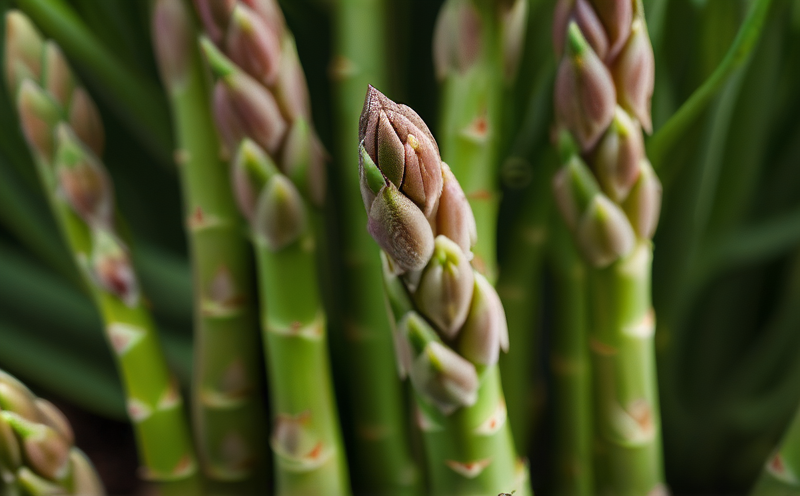
Illustration of Asparagus
☀️ Sun
Full sun (8+ hours) essential; asparagus planted in shade produces thin, weak spears and depleted crowns over time
💧 Water
Medium; 1–1.5 inches per week during first 2 establishing years; established crowns are remarkably drought-tolerant (deep root system reaches 10+ feet); supplement water during fern growth stage (summer after harvest)
🗺️ Zones
3, 4, 5, 6, 7, 8
🪴 Soil Type
Deep, rich, well-drained sandy loam; asparagus is a perennial that occupies the same bed for 15–25+ years — prepare soil deeply (12–18 inches) with generous compost, aged manure, and rock phosphate (for root development); heavy feeder
🧪 Soil pH
6.5–7.5 (neutral to slightly alkaline); tolerates pH up to 8.0
💧 Drainage
Excellent drainage ESSENTIAL — asparagus crowns rot in waterlogged soil; raised beds or mounds recommended in heavy clay areas
📏 Spacing
Crowns 12–18 inches apart in rows 3–5 feet apart; crowns planted in trenches 6–12 inches deep, gradually filled as spears grow
📅 Days to Maturity
2-3 years (from crowns); harvest lightly in second year, fully from third year onward

🍴 Edible Parts

🍽️ ["Young spears/shoots (the only edible part \u2014 harvested at 6\u201310 inches tall)"🍽️ "Mature fern fronds (NOT edible \u2014 toxic; the ferny growth feeds the crown for next year's harvest)"🍽️ "Berries (red berries on female plants are TOXIC \u2014 do not eat)"]

🤝 Companions (9)

Classic companion — tomatoes repel asparagus beetle with solanine in their leaves; asparagus may deter root nematodes that affect tomatoes; different root depths
Parsley repels asparagus beetles; improves asparagus vigor; grows in asparagus's dappled shade after spear harvest
Repels asparagus beetles and aphids; attracts pollinators during fern stage
Repels nematodes and asparagus beetles; general pest deterrent; adds color to asparagus bed during fern stage
Trap crop for aphids; repels asparagus beetles; ground cover suppresses weeds between asparagus rows
Attracts predatory wasps and lacewings that eat asparagus beetle larvae
🤝 Grape (historical)
Historical companion — traditional farm interplanting; asparagus supposedly improves grape growth; both deep-rooted perennials
Strawberries as ground cover between rows; different harvest seasons; strawberries benefit from asparagus's soil conditioning
Chives repel asparagus beetles and aphids; their antifungal sulfur compounds benefit asparagus health. Recommended by WVU Extension as a beneficial companion.

⚠️ Keep Apart (3)

⚠️ Onion/Garlic/Allium
Onions and alliums may stunt asparagus growth; root competition is problematic for the permanent asparagus bed
Potatoes compete with asparagus crown roots; potato harvesting disturbs the permanent asparagus bed
Allelopathic — inhibits asparagus growth and may kill young crowns

💊 Medicinal Uses

["Excellent source of vitamin K (1 cup = 50%+ daily value), folate, and vitamin C", "Contains asparagine \u2014 a diuretic amino acid; asparagus consumption causes the well-known 'asparagus urine' odor (genetic ability to smell it varies)", "Rich in glutathione \u2014 a master antioxidant important for detoxification and immune function", "Traditional diuretic and kidney tonic; used in herbal medicine for urinary tract health", "Contains inulin \u2014 prebiotic fiber supporting gut microbiome; good source of rutin (blood vessel health)"]

📝 Notes

Asparagus is a LONG-TERM investment — crowns live and produce for 15–25+ years. DO NOT harvest the first 2 years (let all spears fern out to build crown strength). Year 3: harvest for 2–4 weeks. Year 4+: harvest for 6–8 weeks. Male hybrids ('Jersey' series) are 3× more productive than female plants (no energy wasted on berries). Plant crowns in trenches, covering gradually. The fern stage (after harvest) is critical — let ferns grow ALL summer without cutting to feed the crown. Cut ferns only after they've yellowed in late fall. Asparagus beetle is the main pest — hand-pick larvae; chickens in the patch during fern stage are excellent organic control. Patience is rewarded — a well-established bed produces daily spears for 2 months every spring.