🥑 Ginger
🍴 Edible Parts
🤝 Companions (11)
⚠️ Keep Apart (3)
💊 Medicinal Uses
Ginger is one of the most extensively studied medicinal spices. Its primary bioactive compounds — gingerols, shogaols, and zingerone — have potent anti-inflammatory, antioxidant, anti-nausea, and analgesic properties. Ginger is clinically proven effective for: nausea (morning sickness, chemotherapy-induced, post-operative), motion sickness, and digestive issues including bloating and indigestion. It has demonstrated efficacy comparable to NSAIDs for osteoarthritis pain and menstrual cramps. Ginger has antimicrobial, antiviral, and potential anticancer properties. It improves circulation, reduces blood sugar, and lowers cholesterol. Fresh ginger has higher gingerol content; dried ginger has more shogaols (stronger anti-inflammatory).
📜 History & Traditional Uses
Ginger originated in Southeast Asia and has been cultivated for over 5,000 years. Ancient Chinese and Indian (Ayurvedic) medical texts extensively document ginger as a 'universal medicine' — used for digestion, respiratory issues, joint pain, and as a warming tonic. Arab traders brought ginger to the Mediterranean by the 1st century CE, and the Romans spread it throughout their empire. By the Middle Ages, ginger was one of the most important and expensive spices in European trade, second only to pepper. Candied ginger became a medieval delicacy. Spanish conquistadors introduced ginger to the Caribbean and Mexico in the 1500s, where it became a major export crop. Today, India, China, and Nigeria are the world's top producers.
📝 Notes
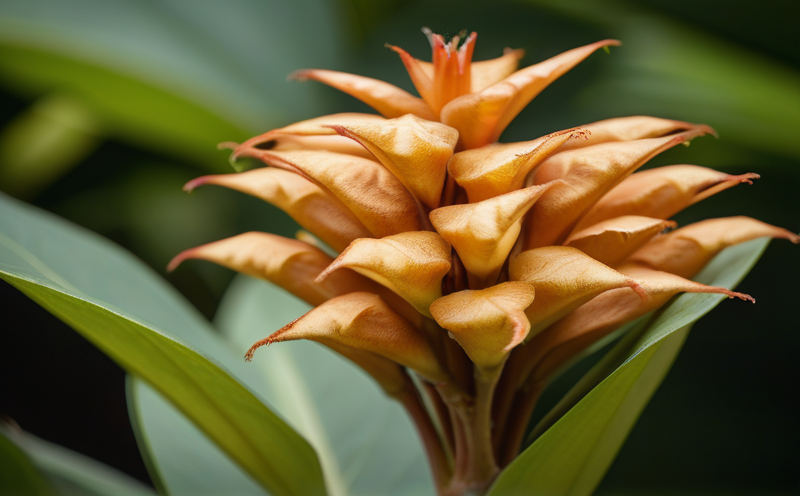
Ginger is a tropical perennial grown from rhizome pieces (seed ginger), not true seed. The plant produces narrow, reed-like stalks with lance-shaped leaves and occasionally cone-shaped flower spikes. It requires warm temperatures (75-85°F optimal), high humidity, and consistent moisture — drought stress causes fibrous, small rhizomes. In temperate zones, ginger is started indoors 2-3 months before the last frost and moved outside when soil is warm (65°F+), or grown entirely in containers. The rhizomes are harvested when leaves begin to yellow and die back. Freshly harvested young ginger has thin, translucent skin and a milder flavor. Ginger can be grown from grocery store rhizomes if they are organic and plump with visible growth nodes (eyes).