🥦 Taro
Colocasia esculenta
vegetables
perennial herbaceous (grown for corms)
☀️ Sun
partial shade to full sun
💧 Water
very high, can grow in standing water
🗺️ Zones
8, 12
🧪 Soil pH
5.5-6.5
🪴 Soil Type
moist to flooded, rich, slightly acidic
🚿 Drainage
Well-drained
📏 Spacing
15-24 in. apart, 30-40 in. between rows (dryland); 18-24 in. for wetland
⏱️ Maturity
7-12 months (from planting corms); 200-365 days depending on variety (dryland 200-300, wetland 300-365)
🍴 Edible Parts
🍽️ Poi, taro chips, stews, curries, bubble tea (taro flavor), boiled/baked corms
Key:🤝 Grows well together❌ Keep apart☀️ Sun needs💧 Water🗺️ Hardiness zone
🤝 Companions (6)
Ginger grows well beneath taro's broad canopy, which provides the shade and humidity ginger needs for rhizome development in wetland growing areas.
Taro and rice are classic paddy companions , taro grows at paddy margins while rice occupies the center, both benefiting from the flooded growing system.
Turmeric thrives in taro's partial shade with the consistently moist soil taro's water-heavy cultivation maintains , ideal for turmeric rhizome growth.
Watercress and taro share identical aquatic growing needs , watercress grows at taro paddy edges, making use of the continuously wet conditions.
Bananas and taro create a productive tropical wet-garden pairing , bananas provide tall canopy while taro fills the moist understory, both loving rich, wet soil.
🤝 edible ferns
Edible ferns (like ostrich fern) thrive in the moist, shaded conditions beneath taro's large leaves, creating a productive multi-layer wetland garden.
⚠️ Keep Apart (2)
⚠️ deep-rooted trees competing for water
Growth inhibition or competition
⚠️ drought-tolerant plants
Growth inhibition or competition
📝 Growing Notes
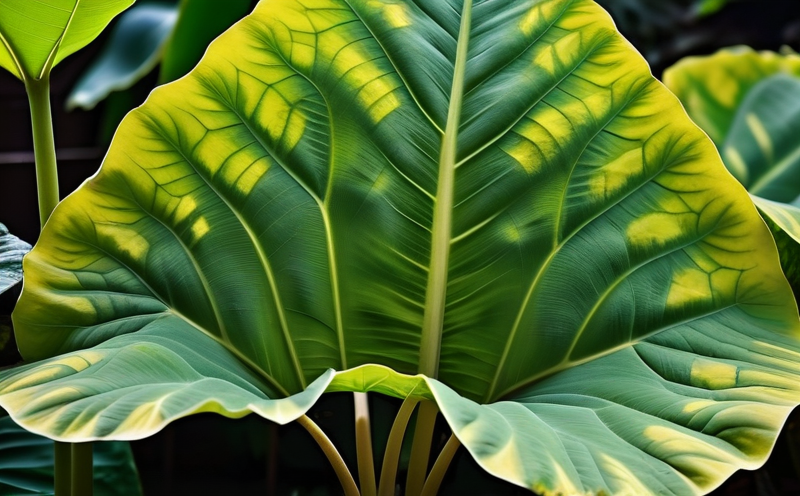
Wetland aroid thriving in flooded or very moist conditions. Large elephant-ear leaves provide shade. Grown in paddies or wet beds. Excellent understory for bananas in tropical food forests.
🛒 Buy Seeds & Plants
Baker Creek Heirloom Seeds
Johnny's Selected Seeds
Botanical Interests
True Leaf Market
Burpee
Territorial Seed Company
Plot Buddies is reader-supported. When you buy through links on our site, we may earn an affiliate commission at no extra cost to you. This does not affect our plant recommendations. We only link to retailers we trust.