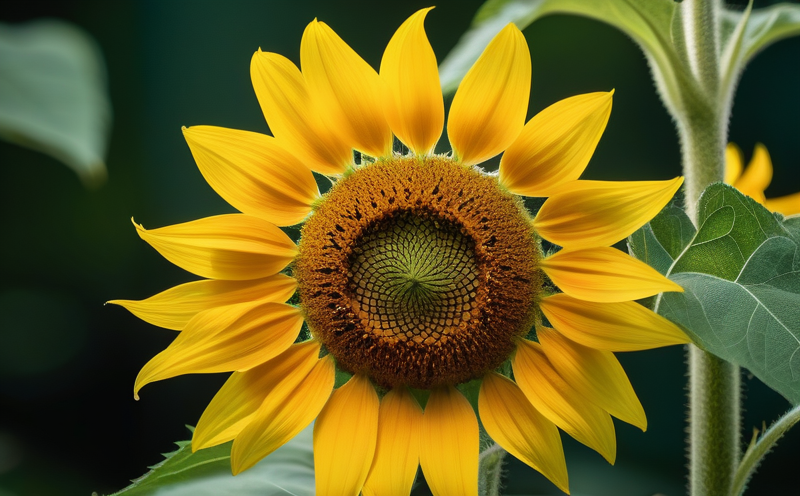
🥑 Sunflower

Helianthus annuus
exotics annual
Illustration of Sunflower
☀️ Sun
full sun
💧 Water
moderate (deep roots provide some drought tolerance)
🗺️ Zones
2-11 (as annual)
🪴 Soil Type
loamy, sandy, tolerates wide range
🧪 Soil pH
6.0-7.5
💧 Drainage
well-drained
📏 Spacing
12-24 inches (ornamental), 18-30 inches (seed production)
📐 Height
2-15 feet (depending on variety)
📅 Days to Maturity
55-120 days (depending on variety)

🍴 Edible Parts

🍽️ seeds🍽️ petals🍽️ young flower buds (cooked like artichoke)🍽️ sprouts

🤝 Companions (10)

Cucumbers may benefit from light shade in very hot climates, but sunflowers are allelopathic and aggressive water competitors. Their root exudates can inhibit cucumber growth. If interplanting, maintain significant distance and monitor for stunting. Not recommended by university extension sources.
🤝 Squash
Squash can tolerate some sunflower allelopathy better than other crops; squash leaves shade soil, reducing moisture competition. However, sunflowers are allelopathic overall and better suited as garden edge plantings rather than close interplanting. The traditional Fourth Sister concept in Native American agriculture typically refers to Cleome or amaranth, not sunflowers.
Lettuce may tolerate some afternoon shade from sunflowers in hot weather. However, sunflowers are allelopathic and their root exudates can inhibit lettuce growth. Plant with caution and monitor for stunting. Better alternatives for lettuce shade include pole beans or trellised cucumbers.
🤝 Pea (climbing)
Climbing peas use sunflower stalks as living trellises; peas fix nitrogen and are harvested before sunflower heads become heavy — a classic pairing.
🤝 Morning Glory
Morning glory vines can climb sunflower stalks for support; this combination works well in ornamental gardens.
🤝 Corn
Sunflowers interplanted with corn in extended Three Sisters systems attract pollinators and beneficial insects; mutual wind protection.
🤝 Melon
Melons sprawl beneath sunflowers as living mulch; sunflowers provide wind protection and deep roots don't compete with melon's shallow system.
Pumpkins tolerate sunflower allelopathy better than many crops; large leaves shade out weeds beneath sunflowers.
🤝 Zinnia
Zinnias and sunflowers share growing conditions and attract the same pollinators; bright flowers create stunning summer borders.
🤝 Cosmos
Cosmos flowers attract hoverflies and parasitic wasps that control sunflower pests; both are heat-loving annuals thriving with minimal care.

⚠️ Keep Apart (7)

Sunflowers are strongly allelopathic to potatoes — they inhibit tuber development, reduce yields, and increase susceptibility to blight
⚠️ Bean (Pole)
Sunflowers release root exudates that inhibit bean seed germination and stunt growth; they should not be planted together despite the 'pole' temptation
Sunflowers compete aggressively for soil moisture and nutrients; their allelopathic compounds suppress tomato growth and fruit set
Fennel is severely allelopathic to sunflowers; root exudates inhibit germination and suppress growth — never plant together.
⚠️ Cabbage / Broccoli / Kale
Brassicas suffer from sunflower allelopathy; growth stunted and yields reduced in soil where sunflower roots have exuded chemicals.
⚠️ Pole Bean (extended proximity)
Sunflower root exudates persistently inhibit bean germination; even the following season, bean seeds may struggle in former sunflower soil.
⚠️ Mustard
Mustard and sunflowers have antagonistic root interactions; combined allelopathic compounds create a doubly toxic soil environment.

💊 Medicinal Uses

Sunflower seeds are exceptionally nutritious — rich in vitamin E (a powerful antioxidant protecting cell membranes), selenium, magnesium, copper, and healthy unsaturated fats. The seeds contain phytosterols that help lower cholesterol. Sunflower seed oil is high in linoleic acid (omega-6) and vitamin E. A tea made from sunflower petals is used traditionally for sore throats, respiratory infections, and as a mild diuretic. Sunflower leaf poultices have been used for skin inflammation and insect bites. The seeds contain tryptophan, which supports serotonin production and mood regulation. Sunflower lecithin is used as a supplement for liver health and cognitive function.

📜 History & Traditional Uses

Sunflower was domesticated by Native Americans in present-day Arizona and New Mexico approximately 3,000-5,000 years ago, predating corn and beans in some regions. The seeds were ground into flour, eaten whole, and pressed for oil. Sunflower was one of the first crops brought to Europe by Spanish explorers in the 1500s, initially grown as an ornamental curiosity. Russian farmers developed modern oilseed varieties in the 1800s, and by the 1900s, Russia was the world's leading producer. Sunflower became the national flower of Ukraine. Today, sunflower is one of the world's most important oilseed crops, with Ukraine and Russia still among the top producers.

📝 Notes

Sunflowers exhibit heliotropism — young flower heads track the sun across the sky (east to west), a phenomenon that stops once flowers mature and face east permanently. Sunflowers are allelopathic — their roots, leaves, and seed hulls release chemicals that inhibit the growth of nearby plants, particularly potatoes, pole beans, and grass crops. They are heavy feeders that deplete soil nutrients rapidly. The deep taproot (up to 6+ feet) mines nutrients and breaks up compacted soil, but also aggressively competes for water. Sunflowers are excellent phytoremediators — they absorb heavy metals (lead, arsenic, uranium) from contaminated soil and were famously used after Chernobyl and Fukushima.