🌿 Catnip
🤝 Companions (7)
⚠️ Keep Apart (4)
📝 Growing Notes
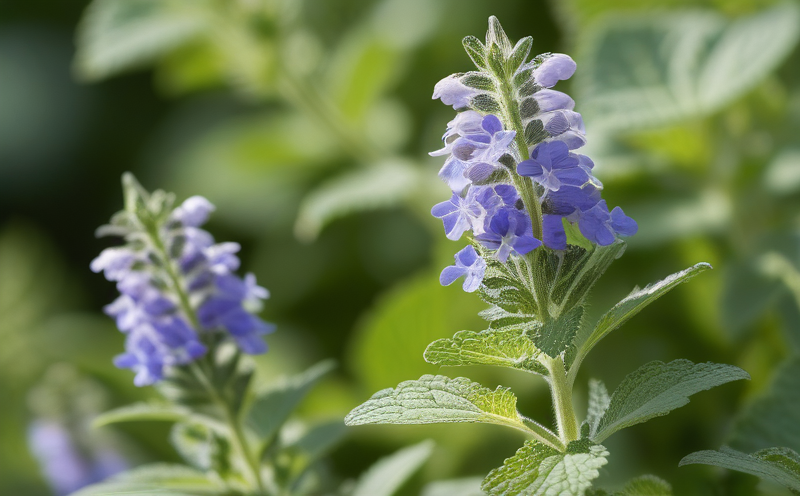
Contains nepetalactone , attracts and intoxicates ~70% of cats (genetic trait). Also repels mosquitoes, cockroaches, and termites (research shows nepetalactone is 10x more effective than DEET for mosquitoes). Excellent bee plant , flowers heavily and for extended periods. Catmint (Nepeta × faassenii) is a showier ornamental cousin with less medicinal value. Self-seeds readily; deadhead to control spread. Square stems, opposite leaves typical of mint family. Cats may roll on and destroy plants , protect with wire cage or plant decoy patches.
🛒 Buy Seeds & Plants
Plot Buddies is reader-supported. When you buy through links on our site, we may earn an affiliate commission at no extra cost to you. This does not affect our plant recommendations. We only link to retailers we trust.