🍉 Watermelon
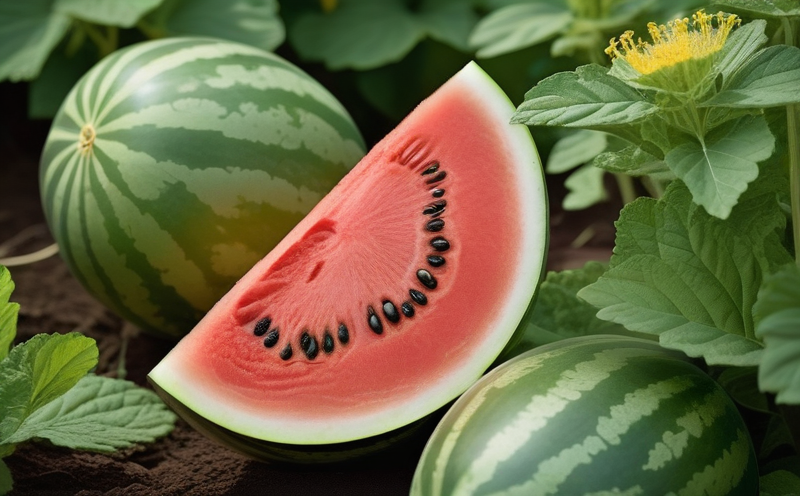
🍴 Edible Parts
🤝 Companions (8)
⚠️ Keep Apart (4)
💊 Medicinal Uses
Medicinal Properties
- Extremely high in lycopene (especially red-fleshed) , the same antioxidant in tomatoes; higher concentrations in watermelon than tomatoes per serving; linked to reduced prostate cancer risk and heart health
- Contains citrulline , amino acid that converts to arginine, improving blood flow; may reduce muscle soreness and support cardiovascular health
- Excellent hydrating food (92% water) with natural electrolytes (potassium, magnesium) , natural 'sports drink'
- Good source of vitamin C, vitamin A (beta-carotene), and vitamin B6
- Seeds: rich in zinc, magnesium, iron, and healthy fats; traditional remedy for kidney and urinary tract health (diuretic effect)
📝 Growing Notes
Watermelon (Citrullus lanatus) is a DIFFERENT species from melons (Cucumis melo) , they don't cross-pollinate. Originated in Africa , extremely drought-tolerant once established due to deep taproot. Four types: Allsweet/Oblong (large, striped , classic 'picnic' melons), Icebox (small, round , 'Sugar Baby'), Seedless (triploid hybrids , need a pollinator diploid variety nearby), and Yellow/Orange flesh (sweeter, more honey-like). Ripeness tests: 1) Tendril nearest fruit stem turns brown and dries, 2) Ground spot (where melon rests on soil) turns from white to creamy yellow, 3) Thumping produces a dull, hollow sound (practice required). Powdery mildew is the main foliar disease. Striped and spotted cucumber beetles spread bacterial wilt. Trellising possible with sling support for smaller varieties.
🛒 Buy Seeds & Plants
Plot Buddies is reader-supported. When you buy through links on our site, we may earn an affiliate commission at no extra cost to you. This does not affect our plant recommendations. We only link to retailers we trust.