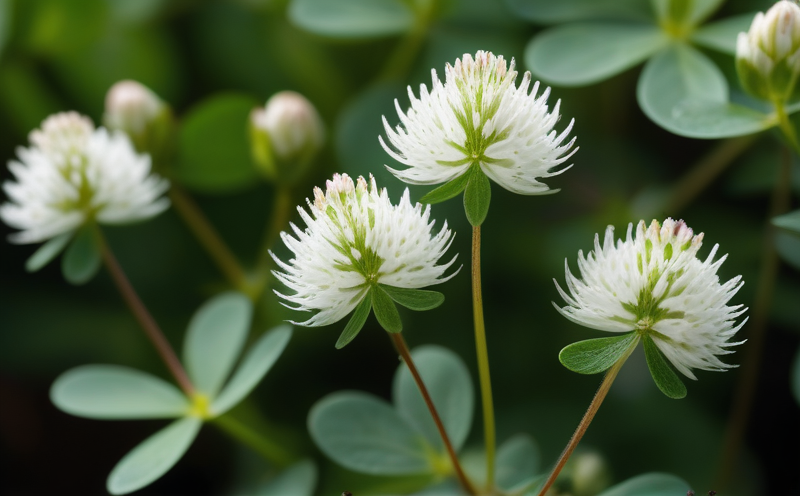
🌿 Clover (White)
🤝 Companions (8)
⚠️ Keep Apart (3)
📝 Growing Notes
World-class nitrogen fixer , fixes 100-200 lbs nitrogen per acre annually through Rhizobium symbiosis. Outstanding living mulch: suppresses weeds, retains soil moisture, prevents erosion. Attracts bees and beneficial insects heavily. White clover (Trifolium repens) spreads by stolons , excellent permanent groundcover. Red clover (Trifolium pratense) is taller, biennial/short-lived perennial with deeper taproot. Crimson clover (Trifolium incarnatum) is a showy winter annual. All fix nitrogen. 'Dutch White' and 'New Zealand White' are low-growing lawn alternatives.
🛒 Buy Seeds & Plants
Plot Buddies is reader-supported. When you buy through links on our site, we may earn an affiliate commission at no extra cost to you. This does not affect our plant recommendations. We only link to retailers we trust.