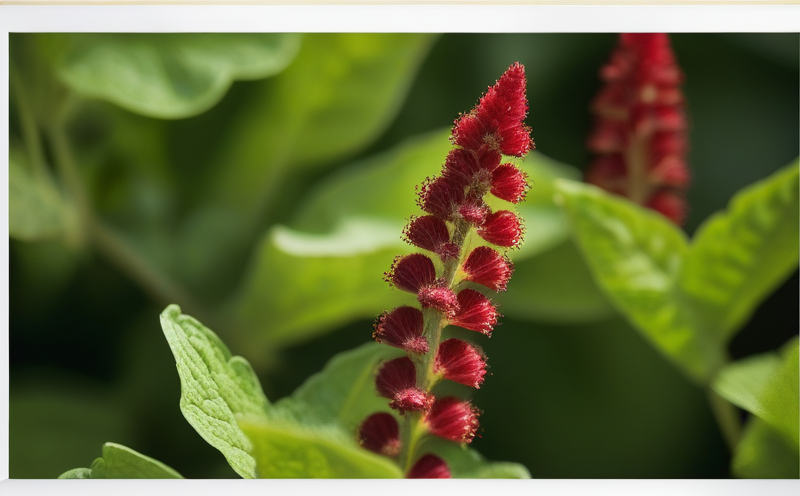
🌿 Sorrel (Garden)
Rumex acetosa
herbs
perennial
Polygonaceae
☀️ Sun
full sun to partial shade
💧 Water
moderate
🗺️ Zones
3-9
🧪 Soil pH
5.5-7.0
🪴 Soil Type
rich loam
🚿 Drainage
moist, well-drained
📏 Spacing
12-18 inches
📐 Height
12-24 inches
⏱️ Maturity
60 days (from seed), 30 days (from division)
Key:🤝 Grows well together❌ Keep apart☀️ Sun needs💧 Water🗺️ Hardiness zone
🤝 Companions (7)
Sorrel emerges early alongside asparagus; different harvest times and root depths prevent competition
Chives deter aphids from sorrel; both are early spring producers that complement each other in the kitchen
Comfrey's deep mineral mining feeds sorrel; sorrel's dense growth suppresses weeds around comfrey
Sorrel thrives in the partially shaded, acidic conditions under gooseberry bushes; living mulch protects soil
Both perennial, cold-hardy, and share similar soil preferences; sorrel fills space between rhubarb crowns
Sorrel's deep taproot brings up minerals for shallow-rooted strawberries; both thrive in slightly acidic soil
Creeping thyme suppresses weeds around sorrel without competing; both are perennial low-maintenance companions
⚠️ Keep Apart (2)
Both accumulate oxalates heavily; planting together can create toxic oxalate levels in soil for sensitive plants
Same family as beets , shared oxalate accumulation; also compete for similar soil nutrients as leafy greens
📝 Growing Notes
Extremely cold-hardy , one of the earliest greens in spring, often appearing through snow. Cut flower stalks to encourage leaf production. Divide every 3-4 years. French sorrel (Rumex scutatus) is milder. Leaves have a bright lemon-apple tang from oxalic acid. Perennial patch produces for 5-10+ years.
🛒 Buy Seeds & Plants
Baker Creek Heirloom Seeds
Johnny's Selected Seeds
Botanical Interests
True Leaf Market
Burpee
Territorial Seed Company
Plot Buddies is reader-supported. When you buy through links on our site, we may earn an affiliate commission at no extra cost to you. This does not affect our plant recommendations. We only link to retailers we trust.