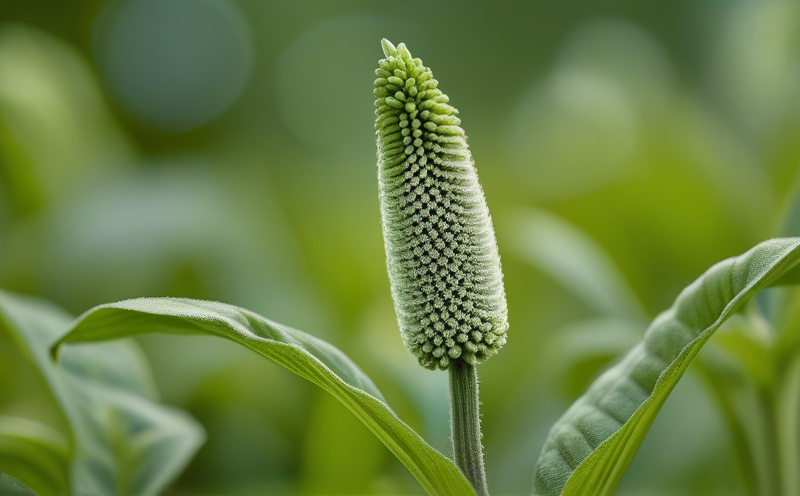
🌿 Plantain
Plantago major
medicinal_herbs
perennial
Plantaginaceae
☀️ Sun
Full sun to partial shade
💧 Water
Moderate
🗺️ Zones
3, 9
🧪 Soil pH
5.5, 7.5
🪴 Soil Type
Any; thrives in compacted, poor soil
🚿 Drainage
Moist to average, tolerates compaction
📏 Spacing
6, 12 inches
📐 Height
4, 12 inches
⏱️ Maturity
60, 90 days
Key:🤝 Grows well together❌ Keep apart☀️ Sun needs💧 Water🗺️ Hardiness zone
🤝 Companions (11)
Skin-healing garden pairing
Shared soil tolerance, healing garden
Nitrogen-fixing ground cover
Cell-proliferating herb synergy
🤝 Dandelion
Fellow 'weed' medicine, root depth complements
Universal garden companion
Attracts pollinators
Nutrient-sharing, spring tonic garden
Wound-healing garden companions
⚠️ Keep Apart (6)
Drought-preferring, incompatible soil moisture
Competes aggressively
Too dry
Juglone sensitive
📝 Growing Notes
Ubiquitous 'weed' , one of the most medicinally valuable plants you'll find in any lawn or sidewalk crack. Broadleaf plantain (P. major) and narrowleaf (P. lanceolata) are both medicinal. Harvest leaves young for salads. Chew into a 'spit poultice' for emergency field first aid.
🛒 Buy Seeds & Plants
Baker Creek Heirloom Seeds
Johnny's Selected Seeds
Botanical Interests
True Leaf Market
Burpee
Territorial Seed Company
Plot Buddies is reader-supported. When you buy through links on our site, we may earn an affiliate commission at no extra cost to you. This does not affect our plant recommendations. We only link to retailers we trust.