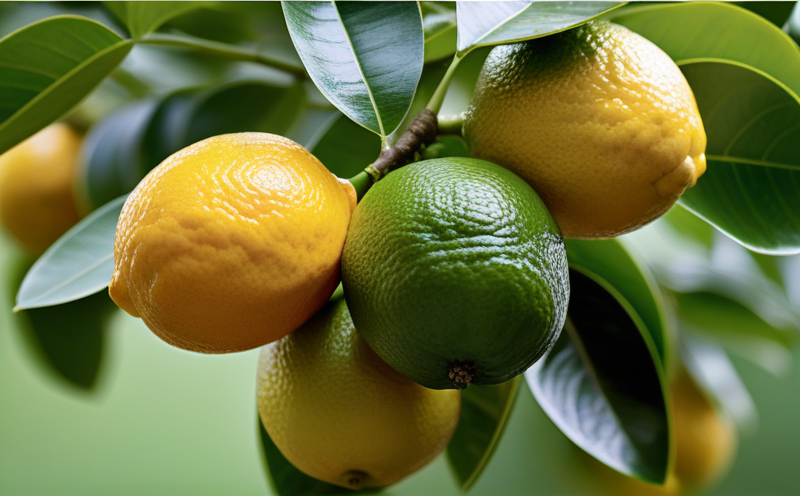
🍋 Lime Tree
Citrus aurantifolia
Tree
☀️ Sun
Full sun (8+ hours)
💧 Water
Moderate; slightly more water-sensitive than lemon
🗺️ Zones
10–11
📏 Spacing
15–20 ft
📐 Height
8–20 ft
🧪 Soil pH
5.5–6.5
⏱️ Maturity
3–5 years to first fruit
Key:🤝 Grows well together❌ Keep apart☀️ Sun needs💧 Water🗺️ Hardiness zone
🤝 Companions (9)
Good companion — Lime Tree and Marigold grow well together.
Good companion — Lime Tree and Basil grow well together.
🤝 Clover
Good companion — Lime Tree and Clover grow well together.
Good companion — Lime Tree and Nasturtium grow well together.
Good companion — Lime Tree and Garlic grow well together.
Good companion — Lime Tree and Lavender grow well together.
Good companion — Lime Tree and Thyme grow well together.
🤝 Sweet Alyssum
Good companion — Lime Tree and Sweet Alyssum grow well together.
Good companion — Lime Tree and Chives grow well together.
⚠️ Keep Apart (3)
Keep apart — these plants do not grow well together.
⚠️ Grass (turf)
Keep apart — these plants do not grow well together.
Keep apart — these plants do not grow well together.
📝 Growing Notes
Limes are the most cold-sensitive of common citrus and need the warmest, most sheltered locations in frost-prone areas. Companion herbs like basil and marigold provide natural pest management for the aphids and scale insects that commonly afflict lime trees. Clover ground cover helps retain moisture and adds nitrogen to the root zone.