🥦 Artichoke (Globe)
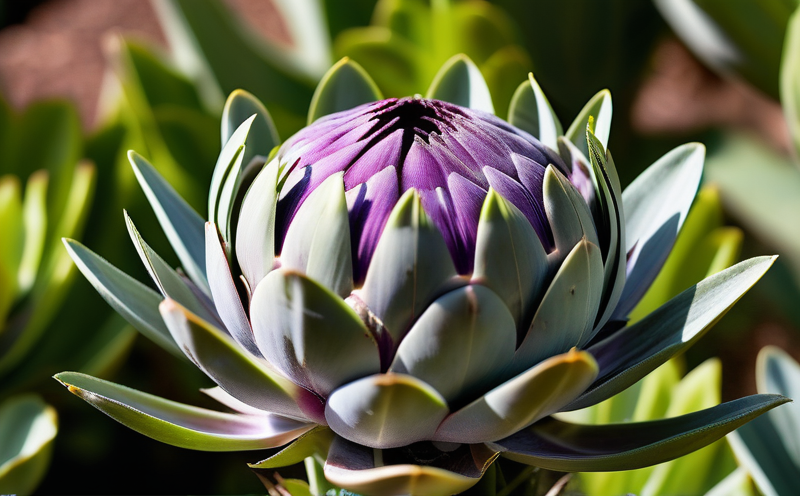
🍴 Edible Parts
🤝 Companions (19)
⚠️ Keep Apart (7)
💊 Medicinal Uses
Medicinal Properties
- Contains cynarin , stimulates bile production and supports liver function; artichoke leaf extract is a commercial liver supplement
- Excellent source of fiber (especially inulin , prebiotic) and antioxidants
- Rich in vitamin C, vitamin K, folate, magnesium, and potassium
- Clinical studies support artichoke leaf extract for lowering cholesterol (LDL) and improving digestive health (IBS symptom relief)
- Contains luteolin and apigenin , flavonoids with anti-inflammatory and potential anti-cancer properties
📝 Growing Notes
Globe artichokes are perennial in Zones 7, 11; grown as annuals in colder zones (start indoors 8, 12 weeks before last frost , need vernalization/cold treatment to produce first year). 'Imperial Star' is the best annual variety (produces year 1 without vernalization). Plants live 5, 10 years in ideal climates. Harvest buds when they're tight and plump, before scales start separating. The 'choke' (fuzzy center) is the undeveloped flower , edible on very young buds, inedible on mature ones. Cardoon (Cynara cardunculus) is a close relative grown for edible leaf stalks rather than flower buds. Aphids love artichoke buds , blast with water or use insecticidal soap. Slugs/snails attack young plants , use iron phosphate bait. Artichokes make stunning ornamental specimens even if you never harvest them.
🛒 Buy Seeds & Plants
Plot Buddies is reader-supported. When you buy through links on our site, we may earn an affiliate commission at no extra cost to you. This does not affect our plant recommendations. We only link to retailers we trust.