🌿 Spearmint
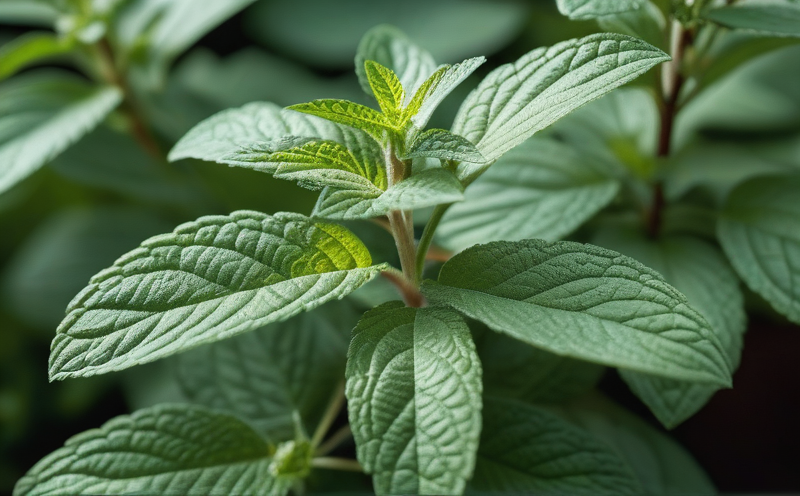
🍴 Edible Parts
🤝 Companions (3)
⚠️ Keep Apart (2)
💊 Medicinal Uses
Conditions Treated
Preparation Methods
- Mild digestive tea: 1-2 tsp fresh/dried leaves steeped 5-10 min; suitable for children
- Spearmint tea for PCOS: 1 cup twice daily (clinical studies used 2 cups/day for 30 days , significant testosterone reduction)
- Tincture: 1:5 in 40% alcohol; 2-4ml for digestive or hormonal use
- Culinary use: The preferred mint for tabbouleh, mint sauce, and general cooking
- Facial steam: Spearmint infusion for acne-prone skin
Active Compounds
⚠️ Safety
Much safer than peppermint , contains almost no menthol. Generally safe for children and during pregnancy in culinary/tea amounts. However, anti-androgenic effects mean men should limit high medicinal doses. May interact with hormone therapies. Large amounts may affect libido in men.
📜 History & Folklore
🏛️ Ancient
Used by ancient Greeks and Romans. Mentioned by Pliny as 'mentha.' Used to scent bathwater and as a strewing herb.
🏰 Medieval
The most common garden mint of the medieval period. Used interchangeably with other mints. Valued in monastery gardens. Mentioned in early herbals as 'garden mint' or 'our lady's mint.'
🌿 Folk Medicine
The 'gentle mint' of European folk medicine , preferred for children, the elderly, and pregnant women. Used for 'summer complaints' (diarrhea in children). Appalachian folk medicine uses spearmint tea for colic in infants.
🛒 Buy Seeds & Plants
Plot Buddies is reader-supported. When you buy through links on our site, we may earn an affiliate commission at no extra cost to you. This does not affect our plant recommendations. We only link to retailers we trust.