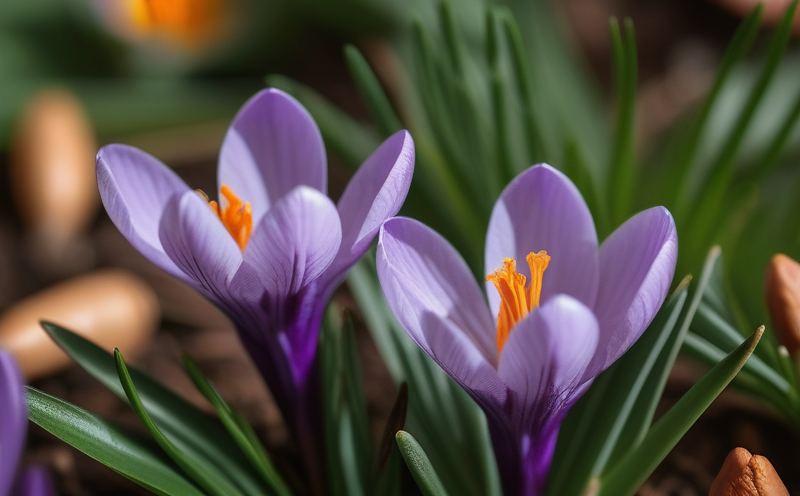
🌿 Saffron Crocus
Crocus sativus
herbs
perennial corm (fall-blooming)
☀️ Sun
Full Sun
💧 Water
Low
🗺️ Zones
4-9
🧪 Soil pH
6.0-8.0 (prefers well-drained, sandy or loamy soil with some alkalinity)
📏 Spacing
4-6 in. apart, 3-4 in. deep (corms; 50-60 corms per sq ft for intensive)
⏱️ Maturity
2-3 months (from planting corms); flowers in fall, 6-8 weeks after planting in late summer
🍴 Edible Parts
🍽️ Paella, risotto Milanese, bouillabaisse, saffron rice, Persian cuisine, tea
Key:🤝 Grows well together❌ Keep apart☀️ Sun needs💧 Water🗺️ Hardiness zone
🤝 Companions (6)
Saffron crocus and lavender thrive in identical conditions , full sun, lean well-drained soil, and dry summer dormancy , perfect Mediterranean herb-garden companions.
Oregano spreads as groundcover around dormant saffron crocus corms, protecting soil from erosion during summer while both share drought-tolerant needs.
Rosemary and saffron crocus both demand full sun and sharp drainage; rosemary's evergreen structure provides year-round interest while crocus blooms in fall.
Thyme creates a weed-suppressing carpet around saffron crocus without competing for nutrients; both need the same dry, sunny conditions year-round.
🤝 grape vines
Saffron crocus grows well beneath grape vines , the vines are dormant when crocus blooms in fall, and crocus goes dormant when vines leaf out in spring, perfectly alternating growing seasons.
Saffron crocus grows at the base of roses, providing fall blooms when roses are dormant; both need full sun and excellent drainage with summer dormancy.
⚠️ Keep Apart (1)
⚠️ plants needing summer irrigation (saffron needs dry summer dormancy)
Growth inhibition or competition
🛒 Buy Seeds & Plants
Baker Creek Heirloom Seeds
Johnny's Selected Seeds
Botanical Interests
True Leaf Market
Burpee
Territorial Seed Company
Plot Buddies is reader-supported. When you buy through links on our site, we may earn an affiliate commission at no extra cost to you. This does not affect our plant recommendations. We only link to retailers we trust.