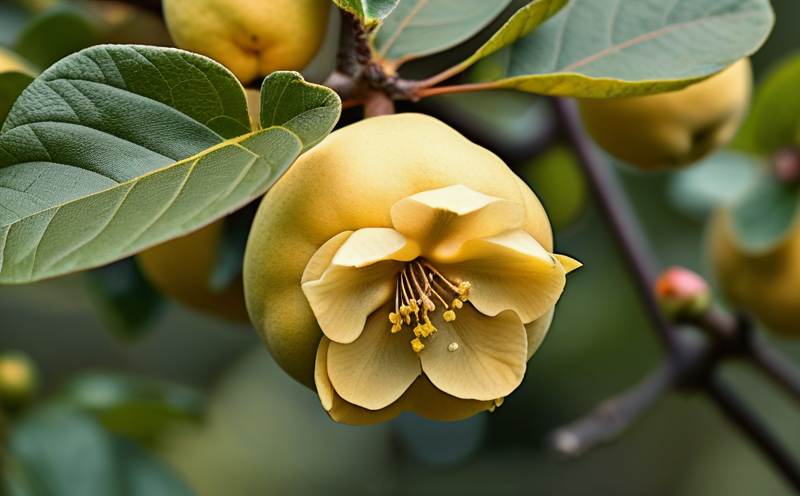
🍎 Quince
Cydonia oblonga
fruits
deciduous tree
☀️ Sun
full sun
💧 Water
moderate; tolerates wetter conditions than most fruit trees
🗺️ Zones
5, 9
🧪 Soil pH
6.0, 7.5
🪴 Soil Type
well-drained loam; tolerates heavy clay
📏 Spacing
12-15 ft apart (small tree/shrub)
⏱️ Maturity
3-5 years (from planting); bears fruit 2-4 years after establishment
🍴 Edible Parts
🍽️ Fruit
Key:🤝 Grows well together❌ Keep apart☀️ Sun needs💧 Water🗺️ Hardiness zone
🤝 Companions (6)
Nitrogen source; groundcover
Nutrient accumulation; pollinator attractor for spring bloom
Pest repellent; antifungal for quince leaf blight
Nematode suppression
Aphid trap; groundcover
Beneficial insect habitat
⚠️ Keep Apart (3)
Quince, apple, and pear are all Rosaceae family and share fire blight susceptibility. This is shared disease risk, not biological antagonism. Quince is actually used as pear rootstock. Maintain good air circulation and monitor for fire blight when planting together.
⚠️ Cedar / Juniper
Cedar-quince rust host
Juglone sensitivity
🛒 Buy Seeds & Plants
Baker Creek Heirloom Seeds
Johnny's Selected Seeds
Botanical Interests
True Leaf Market
Burpee
Territorial Seed Company
Plot Buddies is reader-supported. When you buy through links on our site, we may earn an affiliate commission at no extra cost to you. This does not affect our plant recommendations. We only link to retailers we trust.