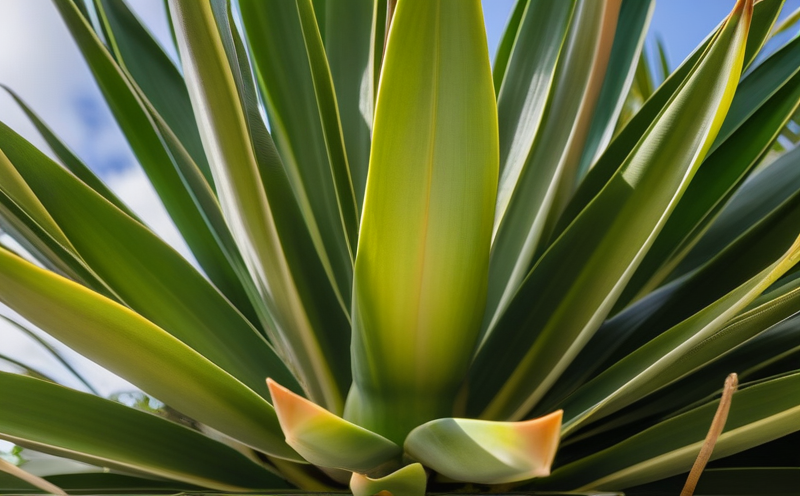
🌿 Pandan / Screwpine
Pandanus amaryllifolius
herbs
perennial tropical herbaceous shrub
☀️ Sun
Partial Shade
💧 Water
High
🗺️ Zones
4-9
🧪 Soil pH
5.0-7.0
📏 Spacing
3-5 ft apart (clumping shrub)
⏱️ Maturity
12-18 months (from planting suckers); regular leaf harvest after establishment
🍴 Edible Parts
🍽️ Rice fragrance, desserts, custards, pandan chicken, cake (buko pandan), natural green coloring
Key:🤝 Grows well together❌ Keep apart☀️ Sun needs💧 Water🗺️ Hardiness zone
🤝 Companions (6)
Galangal grows well amid pandan clumps; pandan's foliage helps retain the soil moisture and humidity galangal rhizomes need to flourish.
Ginger grows well through pandan's clumping foliage; both prefer partial shade and consistently moist, rich soil in tropical gardens.
Pandan and lemongrass are classic Southeast Asian culinary companions , both are clumping, aromatic plants that thrive in similar warm, moist conditions.
Pandan and taro share a love of moisture , pandan's strappy leaves and taro's broad leaves create beautiful contrast while thriving in the same wet conditions.
Turmeric benefits from pandan's soil-shading and moisture-retaining habit; together they form a productive understory beneath taller tropical trees.
Pandan thrives in the moist, shaded understory beneath banana plants; both love humidity and create a productive tropical food-forest layer.
⚠️ Keep Apart (1)
⚠️ drought-tolerant succulents (agave, yucca)
Pandan requires consistently moist soil; succulents rot in same conditions
🛒 Buy Seeds & Plants
Baker Creek Heirloom Seeds
Johnny's Selected Seeds
Botanical Interests
True Leaf Market
Burpee
Territorial Seed Company
Plot Buddies is reader-supported. When you buy through links on our site, we may earn an affiliate commission at no extra cost to you. This does not affect our plant recommendations. We only link to retailers we trust.