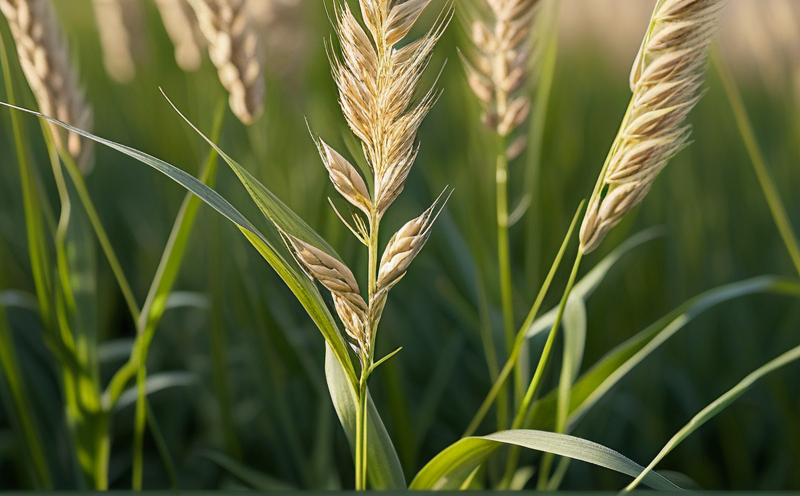
🌾 Oats
Avena sativa
grains
annual
Poaceae
☀️ Sun
Full sun
💧 Water
Moderate to high
🗺️ Zones
3, 9 (grown as cool-season annual)
🧪 Soil pH
6.0, 7.5
🪴 Soil Type
Loamy, fertile
🚿 Drainage
Well-drained, moisture-retentive
📏 Spacing
Broadcast or 6, 8 inch rows
📐 Height
2, 4 feet
⏱️ Maturity
90, 120 days (grain); 60, 75 days (milky stage for medicine)
Key:🤝 Grows well together❌ Keep apart☀️ Sun needs💧 Water🗺️ Hardiness zone
🤝 Companions (7)
Cool-season grain intercrop
Beneficial insect attractor
Planted at field margins for biodiversity
Undersown cover after oat establishment
🤝 Field Peas
Classic nurse crop combination
Traditional European field companion
🤝 Vetch
Nitrogen-fixing companion
⚠️ Keep Apart (3)
📝 Growing Notes
For medicinal 'milky oats,' harvest when immature seeds exude a white, milky latex when squeezed , a window of only ~1 week. Sow in early spring as soon as soil can be worked; oats prefer cool weather. Excellent cover crop and green manure. Allelopathic root exudates suppress some weeds.
🛒 Buy Seeds & Plants
Baker Creek Heirloom Seeds
Johnny's Selected Seeds
Botanical Interests
True Leaf Market
Burpee
Territorial Seed Company
Plot Buddies is reader-supported. When you buy through links on our site, we may earn an affiliate commission at no extra cost to you. This does not affect our plant recommendations. We only link to retailers we trust.