🌾 Wheat
🍴 Edible Parts
🤝 Companions (11)
⚠️ Keep Apart (7)
💊 Medicinal Uses
Whole wheat provides dietary fiber, B vitamins (thiamine, niacin, B6), iron, magnesium, zinc, and selenium. Wheat bran is one of the richest sources of insoluble fiber, promoting digestive regularity and reducing colon cancer risk. Wheat germ is concentrated in vitamin E, healthy fats, and phytosterols. Wheatgrass juice is used as a health tonic for its chlorophyll, antioxidant, and enzyme content. However, wheat contains gluten, which triggers celiac disease (an autoimmune reaction) and non-celiac gluten sensitivity in susceptible individuals. Modern wheat has been bred for higher gluten content and may be less digestible than ancient varieties like einkorn and emmer.
📜 History & Traditional Uses
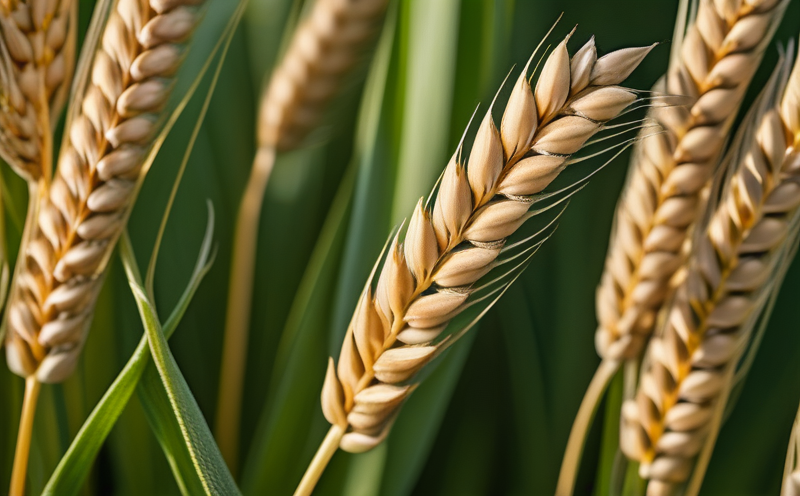
Wheat was one of the first domesticated crops, originating in the Fertile Crescent approximately 10,000-12,000 years ago from wild emmer wheat (T. dicoccoides). The shift from hunter-gathering to wheat agriculture enabled the rise of civilization itself — cities, writing, and complex societies emerged in wheat-growing regions. Ancient Egyptians developed bread-making and brewing with wheat and built granaries to store surplus grain. The Romans standardized wheat cultivation across their empire. The Green Revolution of the 1960s-70s, led by Norman Borlaug, developed high-yielding semi-dwarf wheat varieties that averted famine and saved an estimated billion lives. Today, wheat is the most widely grown crop on Earth by acreage.
📝 Notes
Wheat is classified into winter wheat (planted in fall, vernalized over winter, harvested in summer) and spring wheat (planted in spring, harvested in late summer). It is further classified as hard (high protein, for bread) or soft (low protein, for pastries and cakes). Durum wheat is used for pasta. Ancient wheat varieties like einkorn (T. monococcum), emmer (T. dicoccum), and spelt (T. spelta) have lower gluten and higher nutrient density than modern bread wheat. Wheat is a heavy feeder that benefits from nitrogen-rich soil. It is susceptible to rust diseases, fusarium head blight, and wheat stem sawfly.