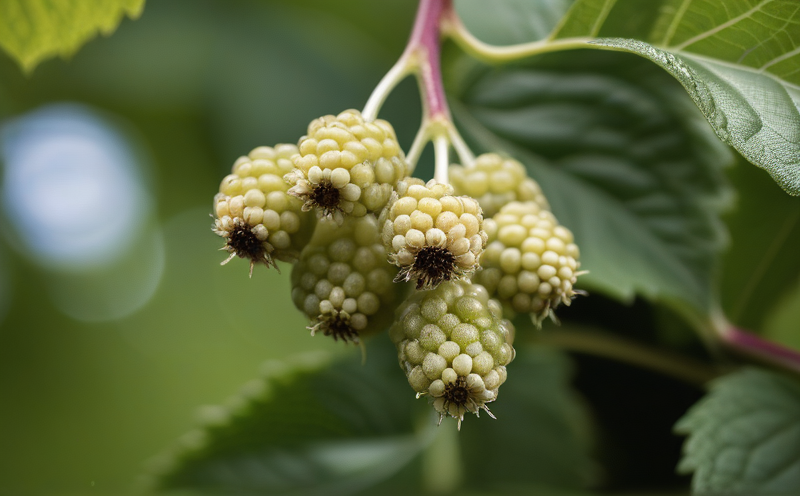
🍎 Mulberry
Morus alba / M. rubra / M. nigra
fruits
deciduous tree
☀️ Sun
full sun
💧 Water
moderate; drought-tolerant once established
🗺️ Zones
4, 9 (varies by species)
🧪 Soil pH
5.5, 7.5
🪴 Soil Type
adaptable; well-drained loam preferred
📏 Spacing
15-25 ft apart (tree; weeping varieties 10-15 ft)
⏱️ Maturity
2-3 years (from planting); some cultivars fruit in first year
🍴 Edible Parts
🍽️ Fruit
Key:🤝 Grows well together❌ Keep apart☀️ Sun needs💧 Water🗺️ Hardiness zone
🤝 Companions (6)
Nitrogen fixer; groundcover under canopy
Potassium-rich mulch for heavy fruiting; pollinator support
Tolerate partial shade under mulberry; complementary fruit production
Repel aphids; protect trunk
Groundcover; aphid trap
Beneficial insect habitat
⚠️ Keep Apart (3)
⚠️ Lawns directly under
Fruit drop can be messy; grass competition reduces tree vigor
⚠️ Sidewalks / foundations
Aggressive root system will damage infrastructure , plant 30+ ft away
Juglone , mulberries somewhat tolerant but perform poorly near walnuts
🛒 Buy Seeds & Plants
Baker Creek Heirloom Seeds
Johnny's Selected Seeds
Botanical Interests
True Leaf Market
Burpee
Territorial Seed Company
Plot Buddies is reader-supported. When you buy through links on our site, we may earn an affiliate commission at no extra cost to you. This does not affect our plant recommendations. We only link to retailers we trust.