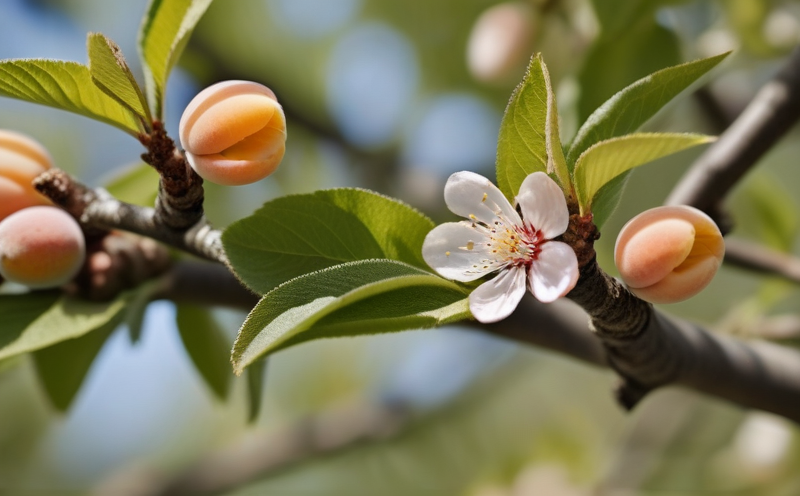
🍑 Apricot Tree
Prunus armeniaca
Tree
☀️ Sun
Full sun (6+ hours)
💧 Water
Moderate; drought-tolerant once established; excellent drainage required
🗺️ Zones
5–8
📏 Spacing
20–25 ft (standard); 12–15 ft (dwarf)
📐 Height
15–30 ft
🧪 Soil pH
6.7–7.5
⏱️ Maturity
3–5 years to first fruit
Key:🤝 Grows well together❌ Keep apart☀️ Sun needs💧 Water🗺️ Hardiness zone
🤝 Companions (10)
🤝 Plum
Good companion — Apricot Tree and Plum grow well together.
Good companion — Apricot Tree and Comfrey grow well together.
🤝 Clover
Good companion — Apricot Tree and Clover grow well together.
Good companion — Apricot Tree and Basil grow well together.
🤝 Phacelia
Good companion — Apricot Tree and Phacelia grow well together.
Good companion — Apricot Tree and Garlic Chives grow well together.
Good companion — Apricot Tree and Thyme grow well together.
Good companion — Apricot Tree and Yarrow grow well together.
Good companion — Apricot Tree and Borage grow well together.
Good companion — Apricot Tree and Lupine grow well together.
⚠️ Keep Apart (5)
Keep apart — these plants do not grow well together.
Keep apart — these plants do not grow well together.
⚠️ Pepper
Keep apart — these plants do not grow well together.
Keep apart — these plants do not grow well together.
Keep apart — these plants do not grow well together.
📝 Growing Notes
Apricots prefer slightly alkaline soil compared to most stone fruits and benefit from nitrogen-fixers like clover and lupine in their guild. Plum trees make ideal companions as they share similar growing conditions and attract the same pollinators. Nightshades and fennel are significant enemies that transfer disease or inhibit growth.