🌿 Tansy
Tanacetum vulgare
herbs
perennial herb
Asteraceae
☀️ Sun
full sun to partial shade
💧 Water
low (drought-tolerant, dislikes wet soil)
🗺️ Zones
3, 8
🧪 Soil pH
5.5, 7.5
🪴 Soil Type
well-drained loam; tolerates poor, dry, or disturbed soil
🚿 Drainage
well-drained to dry
📏 Spacing
24, 36 inches
📐 Height
36, 60 inches
⏱️ Maturity
365 days (perennial, flowers second year from seed)
Key:🤝 Grows well together❌ Keep apart☀️ Sun needs💧 Water🗺️ Hardiness zone
🤝 Companions (7)
Tansy planted beneath apple trees repels codling moths and apple maggot flies; also deters ants that farm aphids on apple leaves.
Tansy repels cucumber beetles and squash bugs; tall tansy provides light shade that prevents cucumber scald.
Tansy deters Japanese beetles that skeletonize grape leaves; accumulates potassium beneficial for grape fruit quality.
Tansy deters peach tree borers and oriental fruit moths; aromatic leaves mask peach scent from flying pests.
Tansy attracts beneficial insects including parasitic wasps, ladybugs, and lacewings that prey on potato pests; its strong scent may confuse some pest insects. Note: Specific CPB deterrence lacks strong scientific evidence per extension research.
Tansy deters raspberry cane borers and Japanese beetles; planted at cane row ends it repels flying insect pests.
Tansy deters Japanese beetles, aphids, and rose chafers from roses; yellow button flowers contrast beautifully with roses.
⚠️ Keep Apart (4)
Tansy can inhibit legume growth through allelopathy; its dense root mat competes with bean surface roots.
Tansy's aggressive rhizomatous roots compete with lettuce's shallow root system; tansy's allelopathic compounds inhibit lettuce seed germination.
Tansy's tall growth shades out low-growing peas; allelopathic root exudates inhibit pea nodulation and nitrogen fixation.
Tansy's spreading roots invade strawberry beds, competing for space; its shade reduces strawberry fruit production.
📝 Growing Notes
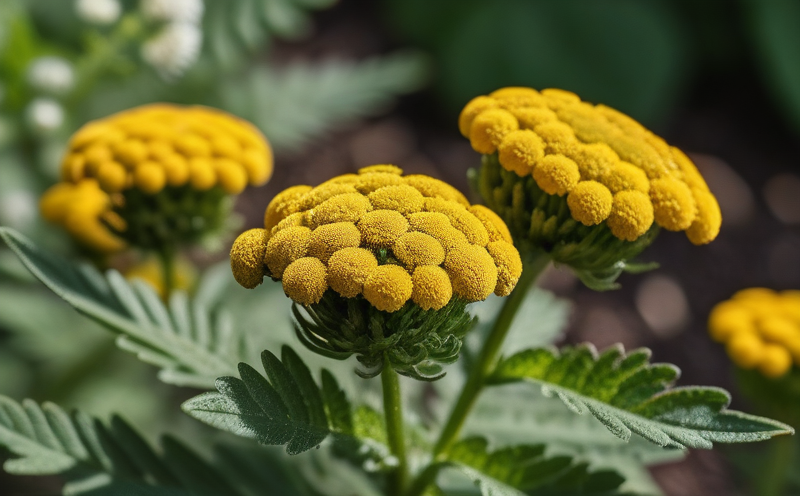
Powerful insecticidal properties , leaves repel ants, flies, moths, fleas, mosquitoes, and cockroaches. Dried tansy in sachets repels clothes moths traditionally. Accumulates potassium from soil. Rhizomatous spreader , plant where it can be contained or use root barrier. Attractive fern-like foliage and bright yellow button flowers. Rub fresh leaves on skin as natural insect repellent. Do not plant near livestock pastures , toxic to cattle and horses. 'Isla Gold' is a less-invasive variegated cultivar.
🛒 Buy Seeds & Plants
Baker Creek Heirloom Seeds
Johnny's Selected Seeds
Botanical Interests
True Leaf Market
Burpee
Territorial Seed Company
Plot Buddies is reader-supported. When you buy through links on our site, we may earn an affiliate commission at no extra cost to you. This does not affect our plant recommendations. We only link to retailers we trust.