🌿 Rhodiola
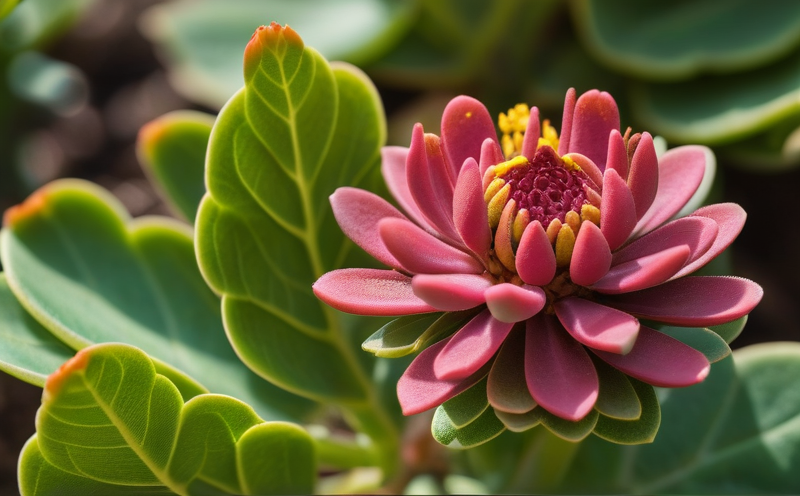
Rhodiola rosea
herbs
perennial succulent
☀️ Sun
Full Sun
💧 Water
Low to Moderate
🗺️ Zones
4-9
🧪 Soil pH
5.5-7.0 (prefers gravelly, well-drained alkaline to neutral soil)
📏 Spacing
12-18 in. apart (succulent rosettes)
⏱️ Maturity
3-5 years (from seed); roots harvested after 3-5 years for medicinal potency
Key:🤝 Grows well together❌ Keep apart☀️ Sun needs💧 Water🗺️ Hardiness zone
🤝 Companions (5)
Lavender and rhodiola thrive in the same Mediterranean-type conditions , full sun, lean soil, and excellent drainage , a beautiful and resilient pairing.
Oregano and rhodiola both need dry, well-drained conditions; oregano's spreading habit fills gaps between rhodiola clumps without competing for root space.
Thyme's low, spreading habit complements rhodiola's upright succulent rosettes; both demand excellent drainage and full sun , ideal xeriscape partners.
Both are succulent alpines adapted to rocky, well-drained conditions , they thrive together in rock gardens with identical minimal-water, full-sun requirements.
🤝 sempervivum
Sempervivum and rhodiola share alpine origins and thrive in the same gritty, fast-draining soil , perfect rock garden companions with no competition.
⚠️ Keep Apart (2)
⚠️ heavy feeders
Growth inhibition or competition
⚠️ water-loving plants
Growth inhibition or competition
🛒 Buy Seeds & Plants
Baker Creek Heirloom Seeds
Johnny's Selected Seeds
Botanical Interests
True Leaf Market
Burpee
Territorial Seed Company
Plot Buddies is reader-supported. When you buy through links on our site, we may earn an affiliate commission at no extra cost to you. This does not affect our plant recommendations. We only link to retailers we trust.