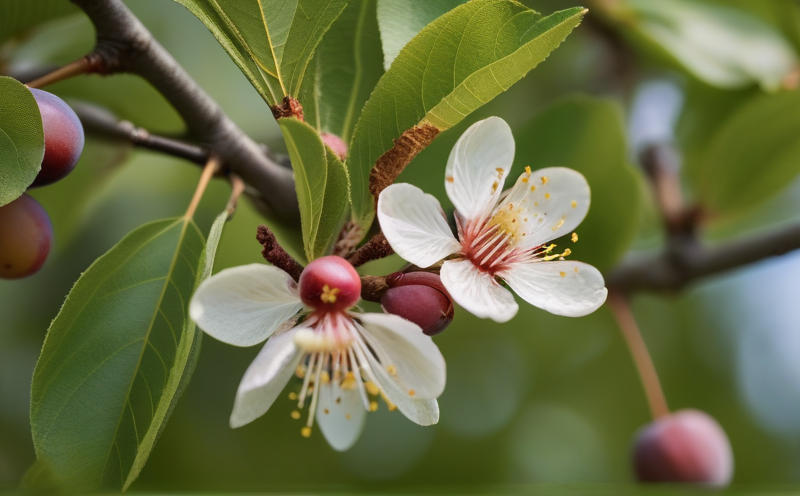
🫐 Plum Tree
Prunus domestica
Tree
☀️ Sun
Full sun (6+ hours)
💧 Water
Moderate; consistent moisture during fruit development
🗺️ Zones
4–9
📏 Spacing
15–20 ft
📐 Height
12–20 ft
🧪 Soil pH
6.0–6.5
⏱️ Maturity
3–6 years to first fruit
Key:🤝 Grows well together❌ Keep apart☀️ Sun needs💧 Water🗺️ Hardiness zone
🤝 Companions (10)
🤝 Clover
Good companion — Plum Tree and Clover grow well together.
Good companion — Plum Tree and Borage grow well together.
Good companion — Plum Tree and Marigold grow well together.
Good companion — Plum Tree and Garlic grow well together.
Good companion — Plum Tree and Rosemary grow well together.
Good companion — Plum Tree and Comfrey grow well together.
Good companion — Plum Tree and Chives grow well together.
Good companion — Plum Tree and Nasturtium grow well together.
Good companion — Plum Tree and Lavender grow well together.
🤝 Chamomile
Good companion — Plum Tree and Chamomile grow well together.
⚠️ Keep Apart (4)
Keep apart — these plants do not grow well together.
Keep apart — these plants do not grow well together.
Keep apart — these plants do not grow well together.
Keep apart — these plants do not grow well together.
📝 Growing Notes
Plum trees benefit from rosemary's pest-repelling scent and comfrey's deep-rooting nutrient cycling. Marigolds deter aphids and nematodes while borage attracts pollinators and improves soil health. Raspberries are poor companions as they compete aggressively for water and nutrients and attract shared pests.