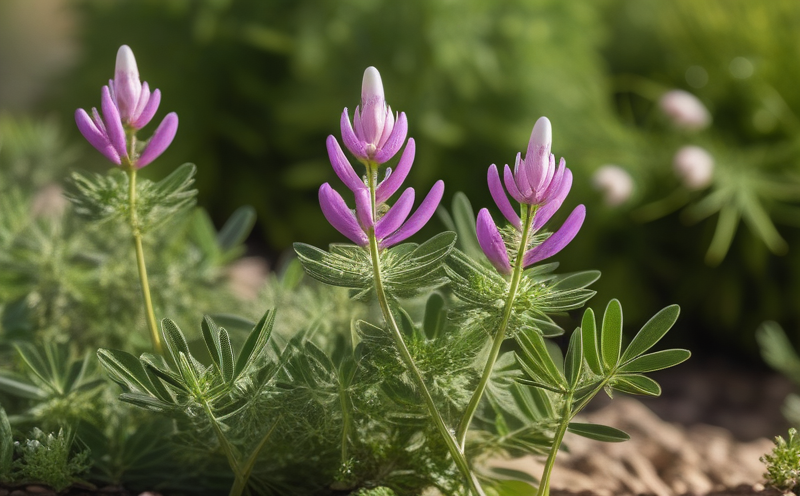
🌿 Astragalus
Astragalus membranaceus
herbs
perennial herbaceous
☀️ Sun
Full Sun to Partial Shade
💧 Water
Moderate
🗺️ Zones
4-9
🧪 Soil pH
6.0-7.5 (prefers sandy, well-drained alkaline soil)
📏 Spacing
12-18 in. apart, 24-30 in. between rows
⏱️ Maturity
2-3 years (from seed); roots harvested after 2-3 years for medicinal quality
Key:🤝 Grows well together❌ Keep apart☀️ Sun needs💧 Water🗺️ Hardiness zone
🤝 Companions (5)
Calendula attracts hoverflies and lacewings that prey on astragalus pests; its shallow roots don't interfere with astragalus's deep taproot.
Comfrey mines deep minerals with its taproot and provides nutrient-rich mulch (chop-and-drop) that feeds astragalus; complementary root depths.
Echinacea attracts pollinators that benefit astragalus flowering; both are deep-rooted perennials that thrive together in herb gardens.
Yarrow attracts beneficial insects that protect astragalus from pests; both are drought-hardy perennials for the medicinal herb garden.
Chamomile improves soil calcium levels that astragalus needs; its low-growing habit doesn't compete with astragalus's taller form.
⚠️ Keep Apart (0)
No known enemies listed.
🛒 Buy Seeds & Plants
Baker Creek Heirloom Seeds
Johnny's Selected Seeds
Botanical Interests
True Leaf Market
Burpee
Territorial Seed Company
Plot Buddies is reader-supported. When you buy through links on our site, we may earn an affiliate commission at no extra cost to you. This does not affect our plant recommendations. We only link to retailers we trust.